
How Nigeria’s Cost-of-Living Crisis Is Driving a Deadly Addiction to Processed Foods
 Oluwatobi Adu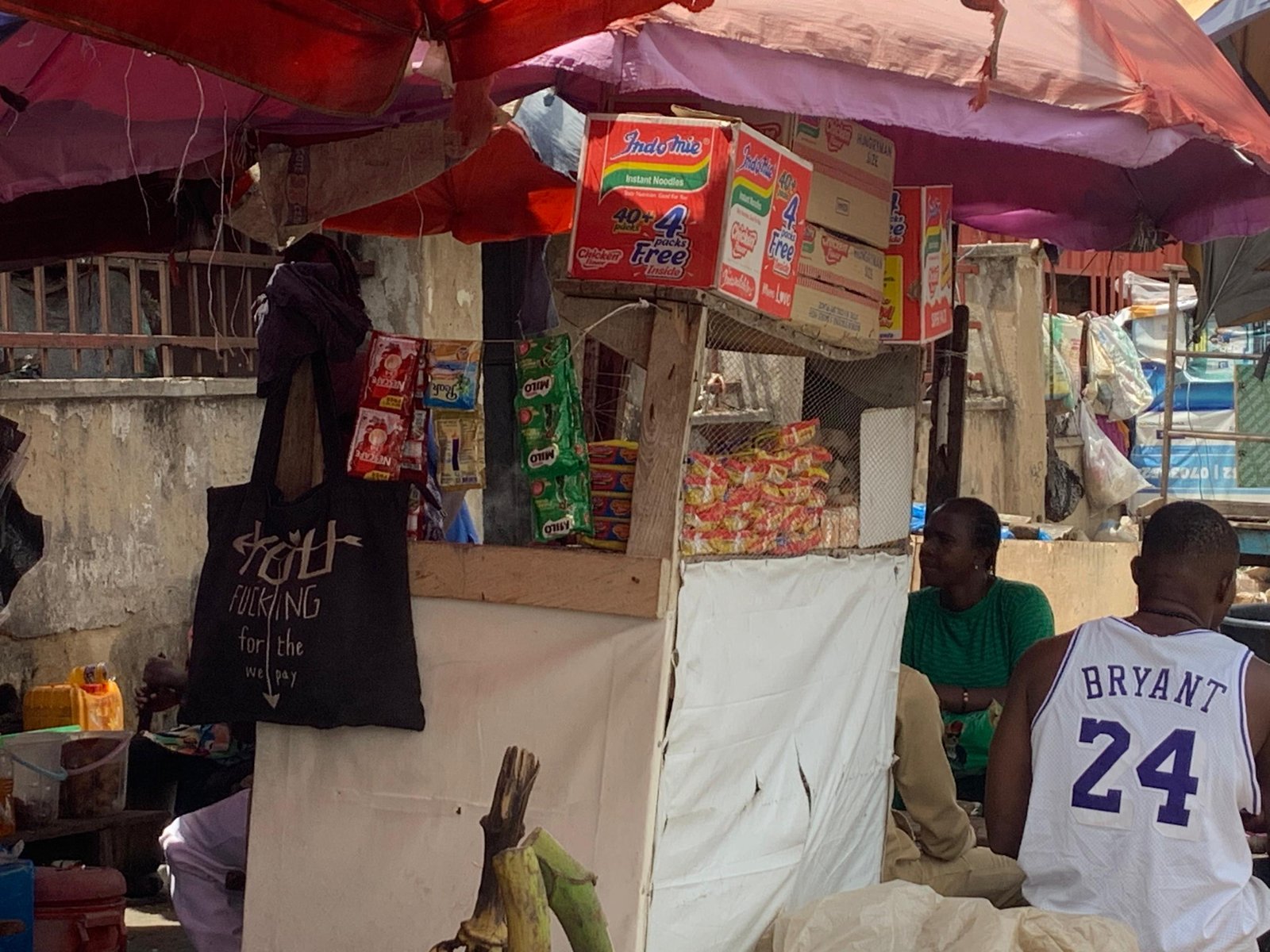
Photo Caption:Madam Rose attends to customers at her roadside food stall in Utako Market, Abuja, where quick processed meals are increasingly replacing traditional home-cooked dishes. (Photo credit: Otamere Gladness/AHR)
ABUJA, Nigeria – In the crowded markets of Abuja, at roadside food stalls and construction sites where survival often outweighs nutrition, a silent public health emergency is unfolding. As inflation tightens its grip on Nigerian households, millions are abandoning traditional nourishing meals for cheaper, highly processed alternatives packed with salt, sugar, preservatives, and unhealthy fats. What appears to be an economic coping mechanism is rapidly evolving into a dangerous national health crisis — one linked to rising cases of hypertension, obesity, diabetes, cardiovascular diseases, hormonal disorders, and chronic inflammation. In this report, Oluwatobi Adu unpacks how economic hardship is reshaping the Nigerian diet, the human stories behind the shift, and why experts warn that without urgent intervention, the country may be heading towards an epidemic of preventable illnesses.
Survival Diets in the Shadows of Abuja
Under the scorching afternoon heat at a busy construction site in Jabi, Abuja, bricklayer Abdullahi wipes sweat from his face before taking another bite of bread and beans — the meal he says keeps him going through long hours of physically demanding labour.
“For morning, I mostly eat bread and beans, so I get strength for work,” he told Africa Health Report.
For Abdullahi, food is no longer about balanced nutrition or healthy living. It is about endurance, affordability, and speed.
By midday, fatigue sets in. To stay active, he turns to sugary drinks and stimulants.
“In the afternoon I drink soda, and when my energy is running low, I take biscuits and energy drink so I can continue working.”
Dinner follows the same pattern — inexpensive, filling, and heavily processed.
“At night, I take noodles or bread and akara because it is what I can afford and it is faster.”
His reality reflects the growing struggle of low-income Nigerians whose daily food choices are increasingly shaped by economic desperation rather than nutritional value.
What was once considered occasional convenience food has now become a dietary staple in many homes.
Nigeria’s Shrinking Food Choices
Across Nigeria, skyrocketing food inflation, unstable incomes, and rising cooking gas prices are pushing families towards instant noodles, sugary beverages, processed bread, biscuits, canned products, and fast foods.
Fresh fruits, vegetables, fish, and nutrient-rich traditional meals are becoming increasingly unaffordable for millions.
At Utako Market in Abuja, provision trader Mohamed Adamu says consumer behaviour has changed dramatically over the past year.
“Customers, dey come small small, but not like before,” he explained.
According to him, shoppers now prioritise products that are cheaper, faster to prepare, and more filling.
“Indomie is faster to cook and buy at a food seller place, it requires less money than homemade food.”
For many struggling households, convenience now outweighs nutritional quality.
Nearby, roadside food vendor Madam Rose observes the same trend daily at her stall.
“Customers now buy more quick meals like noodles with fried egg and bread and fried egg than before because things are hard,” she said.
She added that meals such as bread and beans paired with soft drinks remain among the most popular purchases.
“Bread and beans are what many people buy most now then pair it with coke, Pepsi or malt. People prefer them because they are cheaper, faster, and more filling.”
Behind these choices lies a troubling reality: many Nigerians are consuming meals high in sodium, refined carbohydrates, preservatives, and sugar, while lacking essential nutrients needed for long-term health.
The Viral Bread Controversy That Sparked National Debate
Public anxiety around processed foods intensified after wellness advocate and social media personality Love Dooshima posted a viral video showing a loaf of bread she claimed had remained fresh for over a month.
The video triggered widespread debate online, with Nigerians questioning the safety of preservatives and additives commonly used in processed foods.
The controversy quickly evolved into a larger conversation about food regulation, consumer protection, and the hidden dangers lurking in everyday meals.
For many Nigerians already worried about unexplained health complications, the incident reinforced fears about what they are unknowingly consuming.
Dooshima later expanded on the issue, warning about the possible links between heavily processed foods and kidney, liver, and metabolic disorders.
“We Are Feeding Hunger, Not Nourishment”
In an exclusive interview with Africa Health Report, wellness advocate and founder of Nala Beauty House, Love Dooshima, expressed deep concern about what she described as a dangerous national shift away from wholesome traditional diets.
“Traditional nourishing foods are gradually being replaced with overly processed options that may satisfy hunger temporarily but do not properly nourish the body,” she said.
According to her, economic hardship is forcing families into unhealthy dietary patterns.
“Families often choose foods that are filling and affordable instead of foods that are balanced and nourishing.”
She warned that the consequences are becoming increasingly visible in rising cases of chronic illnesses and hormonal disorders.
“Let me also add that menopausal symptoms are getting more complicated by the day because of the intake of highly processed foods and lifestyle.”
Dooshima also highlighted concerns affecting women’s health, including worsening symptoms of PCOS, endometriosis, hormonal imbalance, fatigue, severe menstrual complications, digestive problems, obesity, diabetes, and weakened immunity.
She called for stricter oversight of processed food products and preservatives entering the Nigerian market.
“Regulatory bodies should pay more attention to products we inject, some of them besides being highly processed contain excessive preservatives which a typical example is the bread situation we have on going.”
Then, she offered a simple but pointed reminder: “Eat to live, don’t live to eat.”
The Science Behind the Silent Health Crisis
Health experts say the growing dependence on processed and ultra-processed foods is setting the stage for a public health disaster.
According to the World Health Organization, unhealthy diets are major contributors to noncommunicable diseases (NCDs) such as diabetes, heart disease, stroke, and cancer.
Highly processed foods often contain excessive sodium, unhealthy fats, artificial additives, and refined sugars while lacking fibre, vitamins, and essential nutrients.
The WHO estimates that global sodium consumption remains more than double the recommended daily limit of 2,000 milligrams, contributing to approximately 1.7 million deaths annually.
A significant portion of this salt comes from hidden sources in processed foods such as bread, sauces, noodles, snacks, and packaged meals.
In Nigeria, where economic realities increasingly favour cheap convenience foods, the implications are profound.
Public health expert and epidemiologist Ogunbiyi Boluwatife Adetokunbo told Africa Health Report that the rise in diet-related illnesses is closely connected to both economic pressures and changing urban lifestyles.
“Frequent consumption of processed and ultra-processed foods is associated with several health risks due to their high content of sugar, salt, unhealthy fats, and additives, alongside low nutritional value,” she explained.
She warned that unless urgent action is taken, Nigeria could face a significant surge in preventable chronic diseases.
“The government should strengthen public health awareness campaigns on healthy eating, regulate the marketing and labeling of unhealthy food products, and support access to affordable nutritious foods through agricultural and food subsidy policies.”
A Public Health Emergency Hidden in Plain Sight
What is unfolding in Nigeria is more than a food trend. It is a reflection of widening inequality, economic instability, and a failing food environment where unhealthy choices are often the cheapest and most accessible.
For many low-income workers and struggling families, processed foods are not consumed out of ignorance or preference, but because healthier alternatives are increasingly beyond reach.
Yet the long-term costs may prove devastating.
Doctors and nutrition experts warn that Nigeria’s healthcare system — already burdened by infectious diseases and limited resources — may soon face mounting pressure from obesity, diabetes, hypertension, kidney disease, and other chronic conditions linked to poor diets.
The crisis also exposes a deeper contradiction: a nation rich in agricultural potential is becoming increasingly dependent on heavily processed food products that undermine public health.
The Urgent Road Ahead
Experts insist that reversing the trend will require coordinated action from government agencies, health institutions, food regulators, schools, communities, and the private sector.
Public awareness campaigns promoting affordable healthy eating, support for local farmers, subsidies for fresh produce, and stricter food regulations are among the measures widely recommended.
Nutrition advocates also argue that Nigerians must reconnect with healthier indigenous foods that once formed the backbone of local diets before processed alternatives flooded urban markets.
But until economic realities improve, millions may continue choosing survival over nutrition.
And in homes, markets, schools, and roadside stalls across the country, the price of that choice may ultimately be measured not only in naira — but in lives.
About the Author


 Hope Ajayi
 Mirian Gom
 Korede Abdullah
1 thought on “How Nigeria’s Cost-of-Living Crisis Is Driving a Deadly Addiction to Processed Foods”