
Rot Beneath the Red: Nigeria’s Cheap ‘Ata Esha’ Tomatoes, Hidden Health Crisis
 Otamere Gladness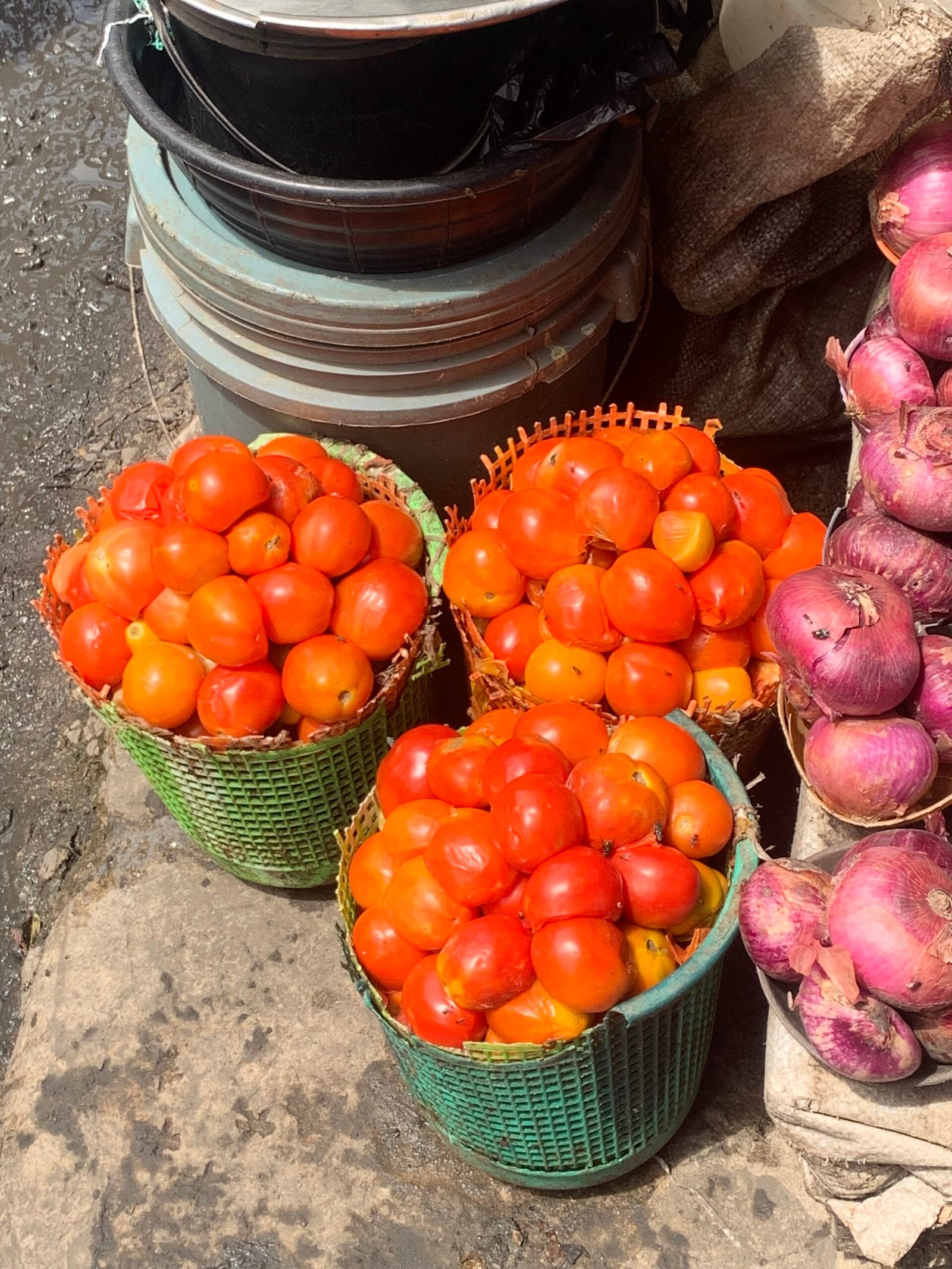
A basket filled with damaged tomatoes sold at reduced prices to low-income buyers.
ABUJA, Nigeria – Before dawn breaks at Abuja’s crowded Utako Market, buyers already gather around baskets of soft, bruised tomatoes streaked with white patches and signs of decay. Known locally as “Ata Esha” or “Baje tomatoes”, the visibly damaged produce sells quickly — not because Nigerians trust it, but because many can no longer afford fresh alternatives. As inflation deepens across the country, health experts are warning that the growing dependence on cheap rotten tomatoes may be exposing millions to food poisoning, organ damage and cancer-linked toxins hidden beneath the red skin. Otamere Gladness, writes.
Tomatoes remain one of the most consumed food ingredients in Nigeria, forming the base of soups, stews and sauces prepared daily in homes and roadside restaurants. But worsening economic hardship has pushed many consumers towards cheaper, visibly spoiled varieties sold at significantly reduced prices.
Public Health Experts Say The Consequences Are Becoming Increasingly Alarming
According to doctors, rotten tomatoes can harbour dangerous microorganisms including bacteria and fungi introduced during harvesting, transportation and poor storage conditions. Of particular concern are Aspergillus fungi, which produce aflatoxins — toxic substances associated with liver damage and certain cancers.
Dr Francis Salama Stephanie, a medical officer, said many consumers overlook obvious warning signs.
“What tomatoes should look like, it should be firm and the skin should be intact, so clearly when the tomatoes are starting to get soft and they are breaking then it is a sign that the tomatoes may no longer be safe,” she said.
“In addition to that, other signs to look out for are some white patches you may see on the tomatoes or black patches, sometimes you can perceive rotten smell or abnormal leakage of water, even as far as maggots coming out from the tomatoes.”
She warned that prolonged exposure to contaminated food could trigger severe health complications.
“For chronic illnesses… you see things like chronic liver disease, which can then progress to liver cancer, there is also kidney disease, over time with continuous ingestion of these rotten tomatoes, the individual that is affected will start to show symptoms like severe weight loss, yellowness of the eye, persistent weakness and tiredness, abdominal pain and the like.”
Dr Salama added that cases of food poisoning linked to contaminated meals are common in hospitals, with patients frequently presenting symptoms such as vomiting, diarrhoea and abdominal pain.
Poverty Driving Demand
Inside Utako Market, traders openly admit that damaged tomatoes now have a booming customer base because they are cheaper than fresh produce.
Musa, a tomato seller, washed soft tomatoes in a bowl before rearranging them neatly for display.
“I just wash am like I dey do now, then arrange am, if I nor sell am that day I go wash am again arrange the next day,” he said.
“People like to buy baje tomatoes because e cheap pass the normal tomatoes. Most times before the tomato even reaches us, some people go book for the baje tomatoes, then when they come and take it, even people selling food too.”
Another trader, Aminu Mahamudu, a farmer and Financial Secretary of the Vegetable Sellers Association in Utako Market, said the price difference explains the growing demand.
“The original ones sell at ₦10,000 for a basket, the baje ones sell at ₦5,000, ₦4,500… any amount you fit sells,” he said.
He explained that tomatoes spoil quickly when storage conditions are poor.
“When they stay too long, they get these whitish things.”
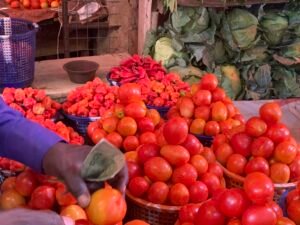
Mahammudu noted that fresh tomatoes can last several days when properly handled, but rising temperatures, poor ventilation and transport delays often accelerate deterioration before the produce even reaches the market.
For traders already battling economic pressure, throwing spoiled stock away often means financial loss they cannot absorb.
‘It’s What We Can Afford’
For many consumers, the decision to buy rotten tomatoes is less about ignorance and more about survival.
Mr. Eric, a buyer at the market, acknowledged the health risks but said economic realities leave people with few options.
“It’s because it is cheap, what should we do? Even if it has its effect, it’s what we can actually afford.”
Another consumer, Jane, said she regularly mixes damaged tomatoes with fresh ones while cooking.
“I actually buy it then mix it with the normal tomatoes, I didn’t really know it had an effect.”
Mrs. J said awareness alone may not stop people from buying the cheaper produce.
“It’s what most people can afford, you can’t blame them, even if everyone is aware of the effect most people will still go for it because it’s what we can afford.”
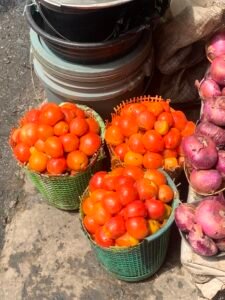
Their comments reflect the difficult choices many Nigerians face daily as food inflation continues to erode purchasing power.
Across markets and restaurants, cheap spoiled tomatoes are increasingly becoming part of the country’s food economy.
A Weak Food Safety System
Health experts say the problem extends beyond individual choices.
Poor transportation networks, lack of cold storage facilities and weak food safety enforcement continue to worsen food contamination risks across Nigeria’s agricultural supply chain.
Dr Salama said many businesses now prioritise affordability over safety.
“It is no news that the socio-economic state of the country is very poor now and many people cannot afford to eat fresh tomatoes or even healthy food in general,” she said.
“Many restaurants try to cut their cost of operations, so they purchase tomatoes that are rotten already because they are cheaper.”
In many markets, traders repeatedly wash and resell deteriorating tomatoes rather than discard them. Without proper refrigeration and stable electricity, spoilage spreads rapidly.
Public health advocates warn that unless stronger monitoring systems are introduced, unsafe food practices may continue growing unnoticed.

Reducing the Risks
Medical experts say safer handling practices could help reduce exposure to harmful contaminants.
Consumers are advised to: avoid buying visibly rotten tomatoes, wash produce thoroughly under running water, refrigerate ripe tomatoes promptly, and store cut tomatoes in airtight containers.
Dr Salama also encouraged Nigerians to consider alternative cooking ingredients such as bell peppers and scotch bonnet peppers where possible.
For vendors, experts recommend better ventilation, cleaner storage spaces and separating damaged produce from fresh stock to prevent contamination from spreading.
Regulatory agencies are also being urged to strengthen inspections and enforce hygiene standards from farms to urban markets.
Between Hunger and Health
Nigeria’s dependence on tomatoes throughout the year means the issue is unlikely to disappear soon. Yet for millions struggling with rising living costs, health warnings often come second to immediate survival.
In markets like Utako, baskets of “Ata Esha” continue to attract steady buyers each morning — mothers trying to feed families, restaurant owners trying to cut costs and traders trying to avoid losses.
For many Nigerians, the hidden health risks inside spoiled tomatoes are no longer just a medical concern. They are becoming another consequence of poverty.
About the Author


 Mirian Gom
 Korede Abdullah

 Oluwatobi Adu