 Mirian Gom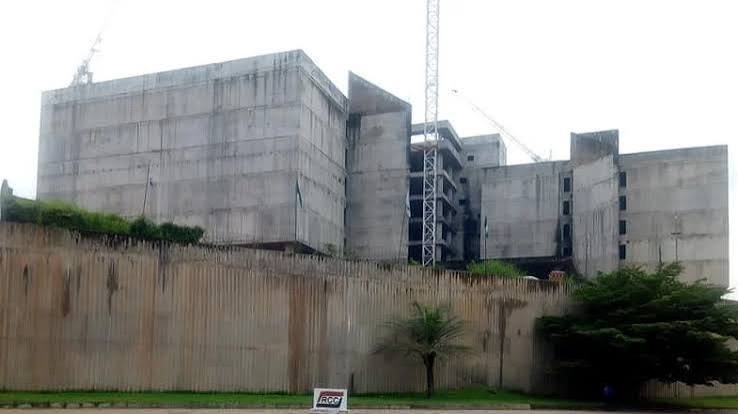
ABUJA, Nigeria – The National Library Abuja project is set for completion after the Federal Executive Council (FEC) approves additional funding to finish and furnish the headquarters complex, ending nearly two decades of abandonment and signalling renewed investment in Nigeria’s education infrastructure.
Education Minister Dr Maruf Tunji Alausa announced the development on Sunday, praising President Bola Tinubu for mobilising resources to revive the project, which has remained unfinished since construction stalled in 2008.
The National Library Headquarters project began on April 29, 2006, with an initial completion timeline of two years. However, work stopped in October 2008, leaving one of Abuja’s most prominent public buildings abandoned for 18 years.
According to Alausa, President Tinubu directed the Ministry of Education to source funding through the Tertiary Education Trust Fund (TETFund) to ensure the project’s completion.
“President Bola Tinubu, when he came in, mandated that we look for funds, real funds, that we would use in completing this National Library. He directed that we source funds from Tertiary Education Trust Fund, and we’ve cobbled some funds together.”
He says the initiative generated about ₦25 billion, strengthening the funding available alongside TETFund resources.
“Combined with the money we’ve sourced from TETFund, the Council today approved the augmentation of the existing contract for the completion of the construction of the National Library of Nigeria Headquarters Building Complex in Abuja.”
Alausa expresses confidence that construction will resume fully in the coming months, describing the National Library as more than a building.
He says the facility will serve as Nigeria’s national knowledge hub, supporting research, education, scholarship, digital information services and the preservation of the country’s intellectual heritage.
According to Alausa, the completion and furnishing of the headquarters complex will transform the long-abandoned structure into a modern national institution capable of serving students, researchers, academics and the wider public.
About the Author

 Hope Ajayi
 Korede Abdullah