Harvest, But No Relief: Why Food Prices Are Still Hurting Nigerian Families
 Hope Ajayi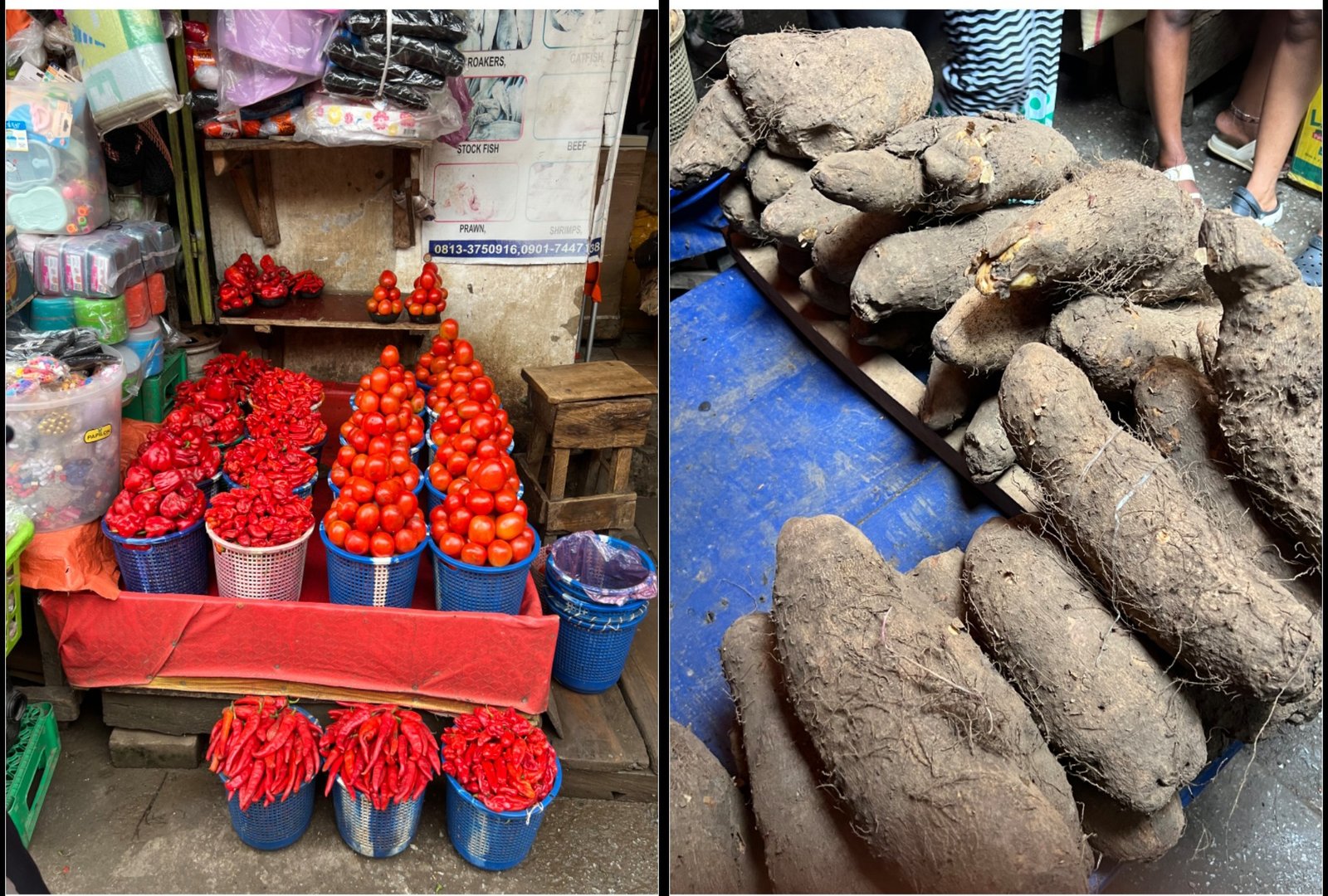
ABUJA, Nigeria – For many Nigerian families, the harvest season traditionally offers hope that food will become cheaper. But this year, that hope has been slow to materialise. Although fresh produce such as tomatoes and Irish potatoes has become significantly more affordable in Abuja markets, the staples that fill most Nigerian kitchens—rice, beans and yam—remain stubbornly expensive. As a result, households continue to spend more while buying less. In this report, Hope Ajayi finds out why increased food supply has failed to deliver widespread price relief. Drawing on market surveys, consumer experiences, traders’ accounts and expert analysis, the report reveals how transportation costs, supply-chain inefficiencies and broader economic pressures continue to keep food prices beyond the reach of many Nigerians.
A Harvest That Hasn’t Reached Every Kitchen
A survey conducted across major markets in Abuja found that harvest season has brought noticeable price reductions for some perishable crops but little relief for several essential staples.
Tomatoes recorded one of the steepest declines. A basket that previously sold for between ₦18,000 and ₦20,000 now costs about ₦4,000, largely because increased harvests have boosted supply.
Irish potatoes followed a similar trend, falling from about ₦18,000–₦19,000 to approximately ₦4,500.
For many shoppers, however, these reductions have done little to ease the overall cost of feeding their families because the foods they buy most frequently remain expensive.
Rice and Beans Continue to Stretch Household Budgets
At Utako Market, traders said customers are increasingly buying food in smaller quantities as rising living costs squeeze household incomes.
Imported rice now sells for about ₦2,500 per mudu, up from ₦2,200, while local rice has increased from about ₦58,000 to ₦60,000 per bag.
Beans have also become more expensive. A bag now sells for about ₦130,000, compared with ₦110,000 previously, while the price of a mudu has risen from ₦1,600 to ₦2,000.
The situation was similar at Wuse Market, where imported rice increased from ₦2,200 to ₦2,500 per mudu, local rice rose from ₦50,000 to ₦55,000 per bag, and beans climbed from ₦120,000 to ₦140,000 per bag.
According to traders, demand for beans continues to outstrip available supply.
“The demand is too high, and it is not up to the quantity people are requesting for. So those that have it will increase the price,” one trader explained.
Yam Prices Yet to Reflect the Harvest
Consumers are also waiting for relief in the price of yam.
Traders said the commodity has not reached its peak harvest period, with larger supplies expected between November and December.
“When the new ones come, they will reduce,” one trader said, expressing optimism that prices could moderate later in the year.
‘We Spend More and Buy Less’
Behind the market figures are families making difficult choices.
Joseph, an Abuja resident, said his monthly food budget has almost tripled.
“I used to spend about ₦20,000 every month. Now I spend around ₦55,000, and I still don’t buy what I used to.”
He blamed high transportation costs, driven by rising fuel prices, for preventing cheaper farm produce from reaching city markets at affordable prices.
“We are in the harvest season, and things are cheaper in rural areas. But bringing them to Abuja costs more because transportation has become very expensive.”
Another resident, Princess, said her monthly food spending has increased from about ₦40,000 to between ₦60,000 and ₦70,000.
She said meals once considered ordinary, including fried rice and coconut rice, have become increasingly costly to prepare.
Why Harvest Alone Cannot Lower Food Prices
Associate Professor of Economics and Director of the Centre for Entrepreneurship Development at the Federal University Dutse, Economist Dr AbdulNasir Turawa Yola, said increased harvests alone cannot guarantee lower food prices.
According to him, transportation costs, poor rural road networks, supply-chain inefficiencies and changing market structures continue to push prices upward before food reaches consumers.
“Transportation costs actually add to food prices, and if the government can reduce or better manage these costs, it will improve citizens’ welfare,” he said.
He added that Abuja’s relatively strong consumer demand and purchasing power also contribute to higher market prices compared with many rural communities.
Relief May Be Short-Lived
Dr Turawa believes some commodities will become cheaper as harvests expand, but he warned that any reductions may not last.
“Prices will come down, but not as much as people expect, and only for a short period.”
He explained that large commercial buyers increasingly purchase directly from farmers, reducing the quantity of produce available in open markets and limiting the downward pressure on prices.
He also cautioned against assuming that lower prices for a few commodities mean food inflation has eased.
“When we talk about inflation, we are talking about the general price level. One commodity can still drive inflation upward even if others become cheaper.”
Beyond the Harvest
The Abuja market survey highlights a growing reality in Nigeria’s food economy: increased agricultural production does not automatically translate into affordable food.
While consumers have welcomed lower prices for tomatoes and Irish potatoes, staples such as rice, beans and yam continue to place enormous pressure on household budgets.
Experts say addressing food affordability requires more than successful harvests. Investments in rural roads, lower transportation costs, improved storage facilities, reduced post-harvest losses and more efficient food distribution systems are essential if lower farm-gate prices are to benefit consumers.
For families like Joseph’s and Princess’s, the real measure of a successful harvest is not the quantity of food leaving the farms but whether they can afford enough food to put on the table.
Until those structural challenges are addressed, many Nigerians may continue to experience the same contradiction: a season of abundant harvests without meaningful relief at the market.
About the Author


 Korede Abdullah