
Dying In Silence: The Hidden Disease Stealing Health, Futures of Nigerian Women
 Oluwatobi Adu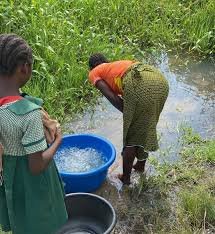
ABUJA, Nigeria – Schistosomiasis, a neglected tropical disease silently damaging their health, fertility, and dignity. Many remain undiagnosed, untreated, and unaware of the infection spreading through the waters they depend on daily. In this report, Oluwatobi Adu examines how poor awareness, weak healthcare systems, and unsafe water sources continue to fuel the hidden crisis affecting vulnerable communities across the country.
For years, Janet believed the pain was ordinary. The recurring discomfort, the infections, the unexplained symptoms that came and went after long days around the river in Anambra State were things many women around her simply endured. There was no language for it in her community, no awareness campaign on the radio, no health worker warning them about the dangers lurking in the water they depended upon to survive. So, she continued fishing, washing and farming beside the river, unaware that an invisible parasite may have been slowly damaging her body.
“I lived beside the river for 20 years before moving down to Abuja, but I have never heard of schistosomiasis before,” Janet told Africa Health Report. “Though I can be infected by the water and I treated it with antibiotics.”
Her story is painfully common across rural Nigeria, where schistosomiasis — also known as bilharzia — continues to thrive in neglected communities with poor sanitation, unsafe water sources and overstretched healthcare systems. Yet despite infecting millions across Africa, the disease remains one of the least discussed public health emergencies affecting women and girls.
In many communities, rivers are not luxuries; they are lifelines. Women wash clothes in them, children swim in them, farmers irrigate crops with them, and fishermen spend hours waist-deep in them. But hidden beneath those waters are parasitic worms released by infected freshwater snails. Once the parasites penetrate human skin, they can remain in the body for years, damaging internal organs and, in women, causing devastating reproductive health complications.
What makes the crisis especially alarming is not merely the scale of infection, but the silence surrounding it.
Across Nigeria, countless women suffering symptoms linked to Female Genital Schistosomiasis (FGS) are either misdiagnosed or never diagnosed at all. Some are treated repeatedly for sexually transmitted infections. Others self-medicate with antibiotics that do little to address the parasitic disease. Many simply suffer in silence.
Health experts warn that this silence has allowed schistosomiasis to become a hidden epidemic among poor and vulnerable populations.
According to the World Health Organization, more than 240 million people globally require preventive treatment for schistosomiasis, with Africa carrying the overwhelming burden. Nigeria remains one of the most affected countries on the continent.
Recent findings reveal the depth of the crisis among women and girls. Studies conducted in Ondo and Kebbi States found that four out of every ten women examined showed visible genital damage associated with the disease — an alarming indication of long-term untreated infections.
In Anambra State, a 2024 study involving 470 adolescents aged between 10 and 19 found that about one in seven had urogenital schistosomiasis. Among girls, the burden was even heavier: approximately one in six tested positive, while nearly one in thirteen had severe infections requiring urgent medical intervention.
Behind the statistics are girls missing school because of chronic pain, women enduring reproductive complications without answers, and families trapped in cycles of poverty and poor healthcare access.
Yet awareness remains dangerously low.
Many frontline health workers in rural communities are unfamiliar with Female Genital Schistosomiasis, despite mounting evidence of its impact on women’s reproductive health. Attempts by Africa Health Report to obtain specialist medical perspectives from gynaecologists were unsuccessful at the time of filing this report — itself a reflection of how marginalised the issue remains within broader healthcare conversations.
Public health analyst Musa Abdullahi Sufi believes the disease continues to flourish because it predominantly affects communities already pushed to the margins.
“Schistosomiasis is frequently neglected because it may affect rural communities’ populations and is mostly underreported. It affects the poor and vulnerable population,” he said during an exclusive interview with Africa Health Report.
For Sufi, one of the gravest concerns is the persistent misdiagnosis of women and girls living with the disease.
“Symptoms are often mistaken for other illnesses and women genital symptoms are commonly misdiagnosed as sexually transmitted infections,” he explained.
The consequences of such errors can be devastating.
Medical researchers have increasingly linked Female Genital Schistosomiasis to chronic pelvic pain, infertility, bleeding disorders, painful urination and increased vulnerability to HIV infection. Yet because the disease mimics symptoms associated with other reproductive health conditions, many women are subjected to years of incorrect treatment while the parasite continues causing damage internally.
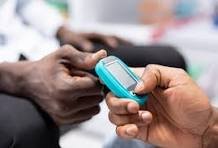
In riverine communities where healthcare centres are poorly equipped, diagnosis is even more difficult. Basic screening tools are often unavailable, while the medicine used to treat schistosomiasis — praziquantel — remains inaccessible in many primary healthcare facilities.
For women already struggling with poverty, travelling long distances for specialised medical care is rarely an option.
The crisis is further compounded by failing water and sanitation systems.
In many affected areas, residents have little choice but to rely on rivers, ponds and streams for daily survival. Without clean water infrastructure, exposure becomes unavoidable. Children fetch water before school. Mothers wash utensils knee-deep in contaminated streams. Farmers spend entire days in irrigation channels.
Every contact with infested water increases the risk of infection.
Experts say Nigeria’s response has remained fragmented and insufficient compared to the scale of the problem. Although periodic mass drug administration campaigns exist in some states, coverage remains inconsistent, particularly among women outside school-based programmes.
Sufi insists that tackling schistosomiasis requires more than distributing medication.
“Nigeria needs stronger mass drug administration, expanded screening for women and girls, better access to clean water and sanitation, WASH, snail control, school and community education and integration of schistosomiasis screening into reproductive and primary health care services,” he said.
He added: “We also need a stronger public health approach that combines treatment, prevention with awareness. If that happens in a society, we will definitely see a reduction of such cases.”
But beyond policy discussions and statistics lies a deeper human tragedy — the normalisation of suffering among women whose illnesses remain unseen.
In many communities, conversations around reproductive health remain deeply sensitive, making it even harder for women to seek help. Some fear stigma. Others assume their symptoms are natural. Many have never even heard the word schistosomiasis.
That ignorance is costing lives and futures.
Public health advocates warn that unless urgent action is taken, Nigeria risks allowing an entirely preventable disease to continue damaging generations of girls and women. The irony is stark: schistosomiasis is both preventable and treatable. A single course of praziquantel can cure the infection in many cases. Improved sanitation and access to clean water dramatically reduce transmission. Early diagnosis prevents long-term complications.
Yet for many Nigerians living beside the country’s rivers, such solutions remain painfully out of reach.
As climate pressures, population growth and water scarcity increase dependence on unsafe freshwater sources, experts fear the disease could spread even further into underserved communities.
For Janet and thousands like her, the crisis is not theoretical. It is personal, intimate and lived daily in bodies carrying invisible scars.
The waters sustaining life across Nigeria’s rural communities should not also become channels of disease and silence. But until healthcare systems recognise the gendered burden of schistosomiasis, until awareness reaches the women most at risk, and until clean water becomes a right rather than a privilege, the suffering will continue quietly beneath the surface.
And in that silence, countless women and girls will keep paying the price.
About the Author



 Hope Ajayi