 Guest Author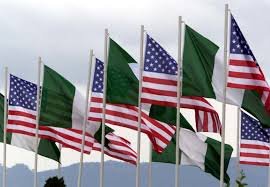
…An analysis of the $5.1 billion U.S.–Nigeria health MoU, highlighting the risks to national decision-making and program priorities, health commodities security, and the independence of Nigeria’s health system.
Nigeria has made real strides in health. The Renewed Hope Agenda prioritizes maternal and child health, the Basic Health Care Provision Fund strengthens frontline services, and the “Red Letter” campaign calls on citizens to demand transparency. Health budget allocations have risen from 2022 to 2025, remaining below the 15 per cent Abuja Declaration target but signaling political intent.
These gains make the recent U.S.–Nigeria Memorandum of Understanding (MoU) under the America First Global Health Strategy deeply concerning. COVID-19 taught the world that weak health systems anywhere are a risk everywhere. Investments in health are collective security, not charity. But when aid is tied to external political priorities, domestic health gains can be undermined.
Aid Dependency: Breaking Free or Falling Back?
Last year, USAID cuts disrupted clinics and programs across Africa. African leaders responded with commitments such as the Lusaka Agenda, which emphasized domestic financing, equity, and national leadership, and the Accra Reset, which called for health sovereignty. Nigeria endorsed these principles. That context makes the America First MoU, quietly signed before the holidays and yet unpublished, troubling. If Nigeria is contributing $3 billion of the $5.1 billion deal, why is the public excluded? Will these funds align with national accountability systems under the Health Sector-Wide Approach Joint Annual Review? Transparency cannot be selective.
Should U.S. Domestic Politics Dictate Health for Nigerians?
The MoU’s alignment with U.S. domestic policy is particularly concerning. The America First strategy explicitly advances U.S. economic and security interests. In January 2026, the U.S. revised its childhood immunization schedule, moving some vaccines into “shared clinical decision-making” rather than universal coverage. Public health experts warn this could weaken protections. In Nigeria, where only 39% of the children aged 12-23 months received all the recommended vaccines, following donor signals that downgrading immunization is dangerous. Similarly, the U.S. has made significant domestic policy shifts that have already rolled back support for sexual and reproductive health. Under recent administrations, federal funding for programs like Title X family planning has been restricted, limiting access to contraception, STI prevention, and comprehensive reproductive health services. Nigeria already bears 28.5 percent of global maternal deaths, making investment in SRHR essential. Alarmingly, the 2025 Nigerian health budget slashed family planning allocations by 97 percent compared to 2024. While these cuts cannot be directly attributed to U.S. policy, the timing raises critical questions: could America First aid, tied to U.S. domestic priorities, inadvertently pressure Nigeria to roll back its hard-won commitments to maternal, child, and reproductive health?
What is the Cost of Losing Health Commodities Security?
The MoU plans for the U.S. to fund 100 percent of commodities in 2026. Yet the America First strategy explicitly prioritizes U.S. products, which risks locking Nigeria into importing drugs, vaccines, and medical supplies rather than supporting local production. This dependence undermines Nigeria’s Presidential Initiative for Unlocking the Healthcare Value Chain (PVAC), which was established under the Renewed Hope Agenda to build domestic health commodity manufacturing, a key lesson from COVID-19 that health security is economic security. Overreliance on donor-supplied commodities could limit Nigeria’s ability to respond to future outbreaks, raise costs, and weaken bargaining power in global supply chains. In effect, short-term financial relief could come at the price of long-term self-resilience.
Our Health Data for Our Benefit!
Based on publicly available versions of the MOU from other African countries, the MoU may require Nigeria to share pathogen sequences and other health data, yet it offers no clear guarantees that Nigerians will benefit from the vaccines, diagnostics, or treatments developed from that data. Such arrangements risk extracting valuable health information for foreign corporate interests while limiting Nigeria’s access to resulting products, potentially violating the Nigeria Data Protection Act (NDPA) 2023 and the General Application and Implementation Directive (GAID) 2025, which require lawful purpose, transparency, and safeguards for cross-border data transfers. This approach also conflicts with the principles of the WHO Pandemic Treaty, designed to ensure fair benefit-sharing for countries that contribute data. Kenya’s High Court recently suspended a U.S.–Kenya health agreement over data protection and sovereignty concerns, underscoring the risks. Nigeria must assert that health data safeguards are non-negotiable, ensuring that any research, vaccines, or diagnostics derived from Nigerian data are accessible, affordable, and available to Nigerians.
Ideology or Inclusive and Need-Based Health Systems?
The MoU earmarks $200 million for Christian faith-based facilities. While faith-based providers play an important role in expanding access, prioritizing a single religious group in a deeply plural society risks exacerbating religious fault lines that the country cannot afford and creating resource inequities within the health system. Many faith-based facilities, Christian and Islamic alike, may restrict services such as family planning, STI prevention, or certain vaccinations due to ideological beliefs, leaving coverage gaps and essential health needs unmet. To protect public health and national cohesion, Nigeria must ensure that funding and service delivery are guided by population needs, not religious affiliation or donor preferences, integrating all public, faith-based, and private providers into a coordinated, inclusive, and people-centered health system.
Cooperation or Control? Health on Our Own Terms
Is this health aid or a geopolitical power play? America First explicitly advances U.S. economic, security, and political interests. Nigeria does not need to reject cooperation, but must reject secrecy, misalignment, and conditionality. The MoU should be published, aligned with national priorities, including ring-fencing sexual and reproductive health, maternal health, and child immunization. Data sharing must guarantee equitable access, local production, and sovereignty.
Nigeria stands at a crossroads. Global health is not just about aid; it is about protecting lives, asserting sovereignty, and shaping our own future. Cooperation must happen on our terms, guided by President Ahmed Tinubu’s Renewed Hope Agenda for Health, regional, and global health frameworks.
Nigeria must lead and not carry last.
About the Author
Fadekemi Akinfaderin is a thought leader and public policy analyst with more than 25 years of experience working in Nigeria and internationally across health, gender equality and development. She writes under the platform Make It Make Sense with Kemi (MIMS), where she examines how power, policy and governance shape people’s live realities, with a particular focus on Nigeria and its global connections.
Disclaimer:
The views and opinions expressed in this article are solely those of the author and do not necessarily reflect the views of Africa Health Report (AHR). The information presented has not been independently verified by AHR.
About the Author


 Korede Abdullah
 Oluwafunbi Bello

 Chukwu Obinna