


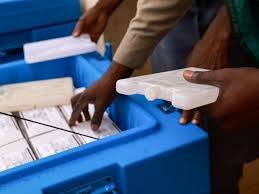
ABUJA, Nigeria – Nigeria spends approximately $150 million annually on vaccine procurement, the National Primary Health Care Development Agency has disclosed, warning that declining donor support is increasing pressure on domestic funding.
The agency’s Executive Director, Muyi Aina, made this known on Tuesday during a media briefing in Abuja, noting that funding currently comes from both government allocations and development partners, including Gavi the Vaccine Alliance.
“Countries are now expected to increase domestic financing as global donor resources continue to shrink,” Aina said.
He explained that vaccine financing extends beyond procurement to include logistics such as cold chain systems, syringes, waste management, and nationwide immunisation delivery.
On malaria control, Aina revealed that vaccination has expanded beyond pilot states—Bayelsa and Kebbi—to include Bauchi and Ondo, following readiness assessments.
However, he highlighted compliance challenges due to the four-dose requirement of the malaria vaccine.
“Ensuring children return for all doses remains a key challenge,” he said.
According to him, nearly 1.3 million children have received at least one dose across participating states, while over 600,000 doses remain stored in the national cold chain system.
Aina emphasised that vaccines remain one of the safest and most cost-effective medical interventions, urging continued public trust in immunisation programmes.
He added that broader health interventions have also seen impact, with thousands of women accessing maternal healthcare services and surgical treatment for obstetric fistula.
The agency reaffirmed its commitment to strengthening vaccine delivery systems despite funding constraints.
Join the conversation