

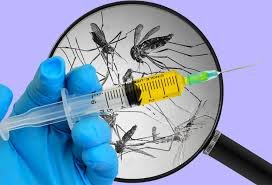
ABUJA, Nigeria – Nigeria expands its malaria vaccination programme to new states, even as declining donor funding and rising costs threaten long-term sustainability.
The National Primary Health Care Development Agency says the rollout now includes Bauchi and Ondo, building on earlier implementations in Bayelsa and Kebbi.
Executive Director Dr Muyi Aina warns that global donor support is shrinking, placing greater responsibility on domestic financing.
“Countries must increase funding as donor resources decline,” he says.
Nearly 1.3 million children have received at least one vaccine dose across participating states, with over 600,000 doses currently in storage.
However, officials say the vaccine’s four-dose schedule presents a major challenge, as many children fail to complete all required doses.
“Ensuring children return for all doses remains critical,” Aina says.
The programme aims to reach 17.5 million Nigerians, but success depends on logistics, funding and public trust.
Health experts describe vaccines as among the most cost-effective interventions, though they warn that gaps in delivery systems could slow progress.
Nigeria’s malaria burden remains one of the highest globally, making sustained immunisation efforts essential.

Join the conversation