
 Mirian Gom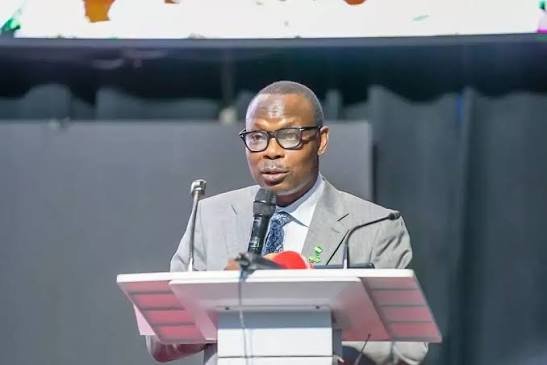
Minister of State for Health, DR. Iziaq Salako
ABUJA, Nigeria – Nigeria has called for stronger international collaboration to expand access to sickle cell disease diagnosis and treatment, urging governments, development partners, researchers, philanthropies and the private sector to move proven interventions from pilot programmes to national scale.
Minister of State for Health and Social Welfare, Dr Iziaq Salako, made the call at the launch of OneSCD on the sidelines of the 81st United Nations General Assembly in New York.
OneSCD is a global partnership focused on advancing equity and transforming sickle cell disease care, with Nigeria among its champion countries. The initiative was launched with UNICEF, the World Health Organization, Africa CDC, St. Jude Children’s Research Hospital and the World Coalition on Sickle Cell Disease.
Salako said the global response to sickle cell disease continued to face inequities, structural barriers and fragmented interventions, requiring stronger coordination and country-led action.
He said nearly eight million people were living with sickle cell disease globally, with more than 75 per cent in sub-Saharan Africa.
According to the minister, Nigeria has the highest disease burden globally, with an estimated 150,000 to 180,000 babies born with sickle cell disease in the country annually. “This is why OneSCD matters; to provide a global mechanism that connects political leadership, technical expertise, lived experience and financing behind country-led action,” Salako said.
He said Nigeria would continue integrating early diagnosis and comprehensive care across primary, secondary and tertiary healthcare levels while improving national accountability through better data, measurable targets and sustainable financing.
According to him, Nigeria is also working to improve access to affordable diagnostics and medicines, strengthen supply chains, train health workers and establish referral networks.
About the Author

 Oluwatobi Adu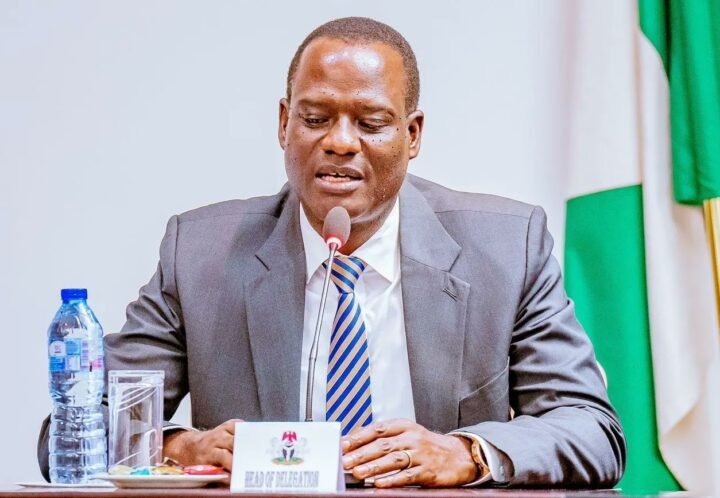


 Hope Ajayi