



ABUJA, Nigeria – Nigeria is targeting a 20 per cent increase in its active eye care workforce and 25,000 fully subsidised cataract surgeries by 2027 as part of a broader plan to reduce avoidable blindness and expand access to eye health services by 2030.
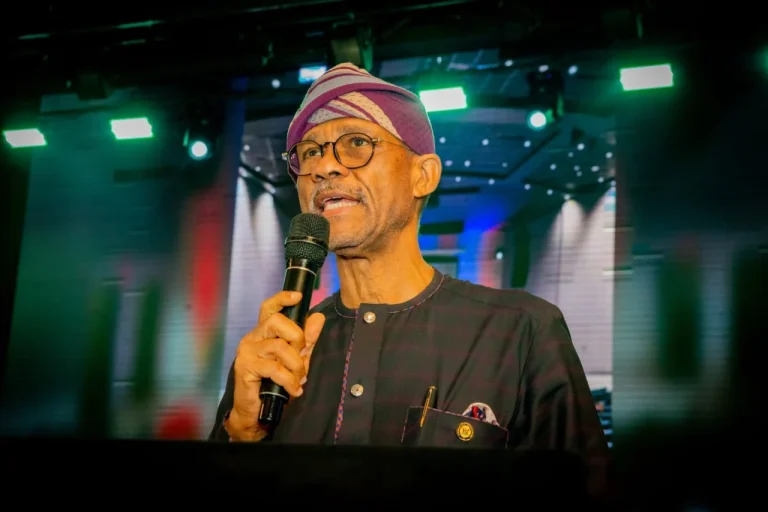
The Minister of State for Health and Social Welfare, Dr Iziaq Salako, announced the commitments at the closing session of the Global Summit for Eye Health in St John’s, Antigua and Barbuda. His address, made available to the News Agency of Nigeria (NAN) on Tuesday in Abuja, also outlined the government’s target of increasing Effective Cataract Surgical Coverage (eCSC) by 30 percentage points by 2030.
Salako said Nigeria would mobilise domestic resources and strengthen partnerships with Commonwealth countries and international organisations to achieve the targets and ensure measurable improvements in access to eye care.He said the government would integrate Primary Eye Care into the Basic Health Care Provision Fund, train 15,000 primary healthcare workers and distribute five million pairs of ready-made reading spectacles.
The minister added that the proposed 25,000 subsidised cataract surgeries by 2027 would form part of efforts to reduce the burden of avoidable blindness, particularly among vulnerable populations. Nigeria is also among the beneficiaries of the World Health Organisation’s (WHO) Global Cataract Surgery Initiative, known as SEE 2045, which seeks to eliminate cataract-related blindness.
The minister stressed that improving eye health required collaboration beyond government, noting that vision loss affects not only individual health but also education, household welfare, road safety and national productivity. He disclosed that philanthropic partners had pledged $60 million towards assistive technology, while 15 private-sector commitments represented investments exceeding $468 million in support of eye care implementation.
According to him, about 143 additional commitments had also been made by organisations outside the government. “Eye health cannot be the responsibility of the government or of one sector alone,” he said.




Join the conversation