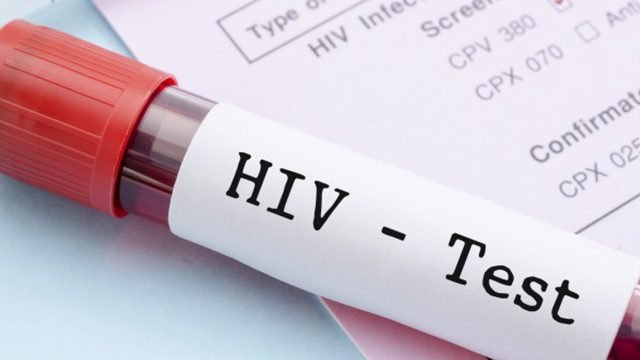
Nigeria’s HIV Treatment Gains: 98% of Diagnosed Patients Now on ARVs – NACA
 Korede Abdullah

Director General, NACA, Dr. Temitope Ilori
LAGOS, Nigeria – Nigeria has made significant progress in HIV treatment, with 98 per cent of people diagnosed with the virus reportedly receiving antiretroviral therapy, but the country is still falling short of the target for identifying people living with HIV.
The Director-General of the National Agency for the Control of AIDS (NACA), Dr Temitope Ilori, disclosed this on Monday during a media briefing ahead of the 2026 World AIDS Day, scheduled for December 1.
Ilori said about 80 per cent of Nigerians living with HIV knew their status, while 98 per cent of those diagnosed were receiving treatment. She added that 94 per cent of people on treatment had achieved viral suppression.
The figures reflect progress towards the UNAIDS 95-95-95 targets, which seek to ensure that 95 per cent of people living with HIV know their status, 95 per cent of those diagnosed receive antiretroviral treatment and 95 per cent of those receiving treatment achieve viral suppression.
However, Nigeria’s reported 80 per cent performance on the first target remains below the 95 per cent benchmark, indicating that more people living with the virus need to be identified and linked to care. The NACA chief described the country’s progress as encouraging but stressed the importance of sustaining efforts to expand HIV testing, treatment and prevention services.
Meanwhile, the World Health Organisation has warned that Africa’s progress towards ending AIDS as a public health threat by 2030 remains vulnerable to persistent gaps in prevention, diagnosis and treatment.
The WHO Regional Director for Africa, Dr Mohamed Janabi, said an estimated 26.3 million people were living with HIV across the continent in 2026, while 21.7 million had access to life-saving antiretroviral therapy.
In his message ahead of World AIDS Day, Janabi acknowledged that sustained interventions and scientific advances had saved millions of lives and reduced new infections in several African countries. He, however, called on governments to maintain investments in HIV prevention, testing, treatment and care to protect the gains recorded and accelerate progress towards the 2030 target.
The annual World AIDS Day observance provides an opportunity for governments, health agencies and communities to assess progress in the HIV response and address barriers preventing people from accessing essential services
About the Author


 Oluwatobi Adu