FG Targets Unhealthy Diets as NCDs Account for 27% of Deaths in Nigeria
 Oluwatobi Adu
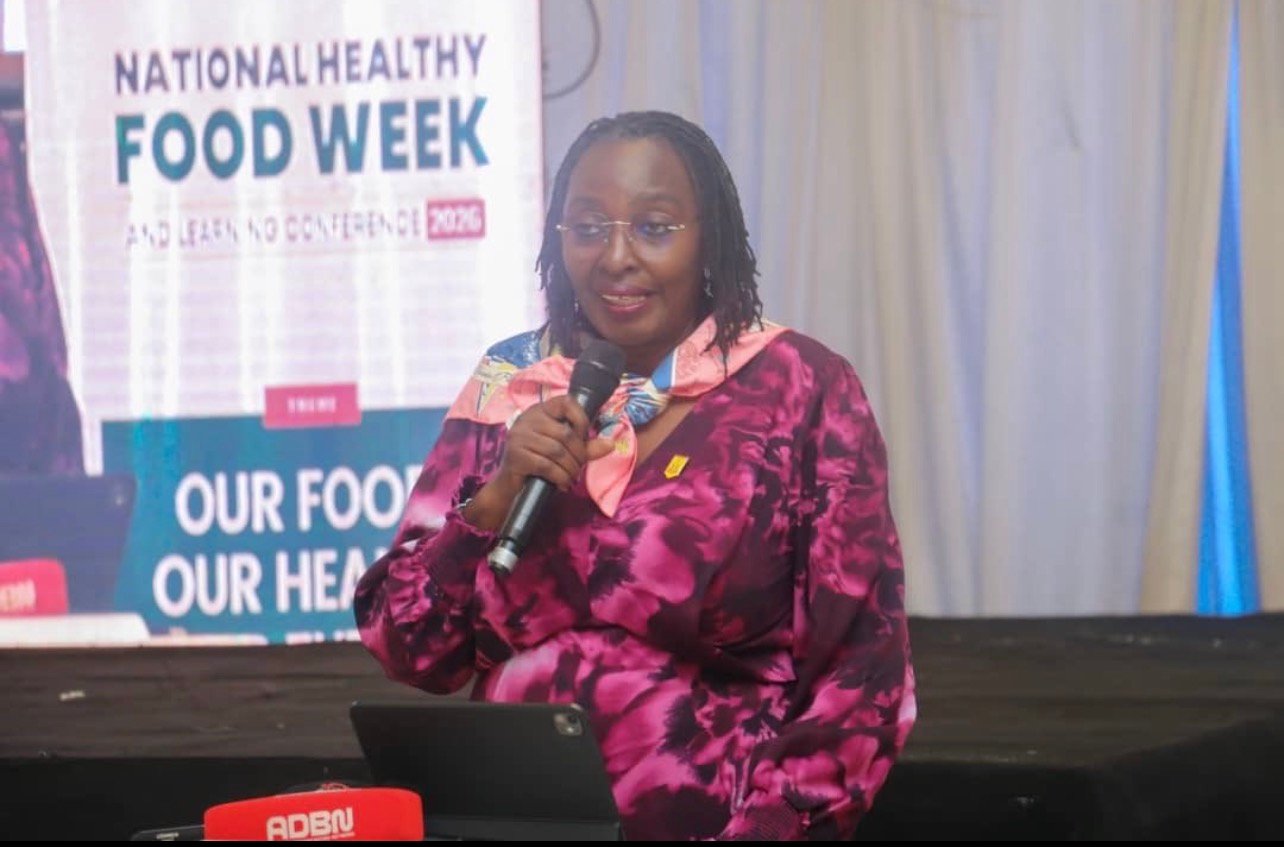
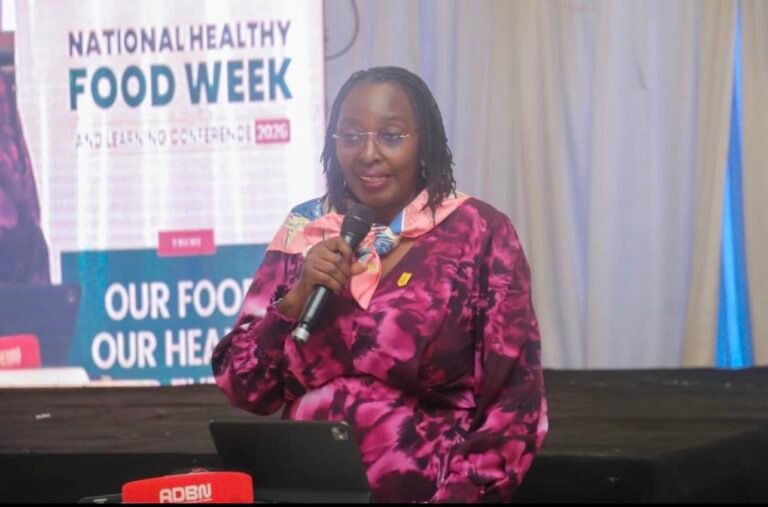
Permanent Secretary, Federal Ministry of Health and Social Welfare, Daju Kachollom
ABUJA, Nigeria – The Federal Government has called for stronger enforcement of healthy food policies as unhealthy diets continue to fuel Nigeria’s burden of hypertension, diabetes, stroke and other non-communicable diseases, which account for an estimated 27 per cent of all deaths in the country.
The Minister of State for Health and Social Welfare, Dr Iziaq Adekunle Salako, said tackling diet-related diseases required more than individual lifestyle changes, urging government institutions to make nutritious and safe food more accessible and affordable. Salako, represented by the ministry’s Permanent Secretary, Daju Kachollom, made the call on Monday at the opening of the maiden four-day National Healthy Food Week and Learning Conference in Abuja.
The conference was held under the theme, “Our Food, Our Health, Our Future.” The minister said food choices were shaped by factors including affordability, availability, safety and nutritional quality, making government intervention essential to improving dietary habits and population health. “Healthy diets are fundamental to population health, productivity and national development,” he said.
He urged government agencies to strengthen the implementation of national guidelines on public food procurement, particularly in schools, hospitals and correctional centres where large numbers of Nigerians depend on publicly provided meals. According to him, effective monitoring, accountability and capacity building are necessary to ensure that food purchased with public funds promotes healthier diets rather than contributes to poor nutrition.
Salako also identified the sugar-sweetened beverage tax as an important policy tool for reducing excessive sugar consumption. He called for transparent allocation of part of the revenue to nutrition education and programmes aimed at preventing diet-related diseases.
A representative of the World Health Organisation at the event said non-communicable diseases accounted for approximately 27 per cent of deaths in Nigeria, underscoring the need for stronger preventive measures.
About the Author


 Mirian Gom

 Korede Abdullah