
Katsina Battles Deadly Meningitis Surge as Suspected Cases Hit 105
 Hussaini Ibrahim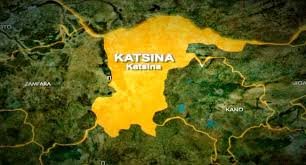
KATSINA, Nigeria – Katsina State has placed hospitals and healthcare workers on emergency alert after recording 105 suspected cases of cerebrospinal meningitis across 20 local government areas.
The outbreak has intensified fears of another seasonal meningitis wave in northern Nigeria, a region located within Africa’s meningitis belt where infections frequently spike during the hot and dry season.
Executive Secretary of the Katsina State Primary Healthcare Development Agency, Shamsuddeen Yahaya, disclosed the figures on Friday after a stakeholders’ meeting convened to strengthen emergency response measures.
According to Yahaya, the most affected areas include Katsina, Jibia, Kaita, Mani, Mashi, Zango and Musawa local government areas.
“At the state level, we have an Emergency Operations Centre, while Disease Surveillance and Notification Officers have been deployed across local governments,” he said.
“Community informants and surveillance focal persons in health facilities are also working together to ensure early detection and response.”
The health official said emergency disease surveillance structures had already been activated statewide, with health workers operating around the clock to investigate and manage suspected infections.
He dismissed reports of confirmed deaths linked to the outbreak but urged residents to seek immediate medical attention if they experience symptoms such as severe headache, high fever and neck stiffness.
Yahaya said the state government had stocked essential drugs and medical supplies ahead of the meningitis season while healthcare workers received specialised training for outbreak management.
He added that surveillance teams had intensified active case searches and contact tracing in affected communities, while laboratory units worked to ensure rapid diagnosis and treatment.
The agency also confirmed receiving support from the Nigeria Centre for Disease Control, including laboratory equipment, drugs, medical consumables and technical training to strengthen containment efforts.
Public awareness campaigns are also ongoing through radio jingles and community sensitisation programmes.
About the Author


 Mirian Gom
 Korede Abdullah

 Oluwatobi Adu