


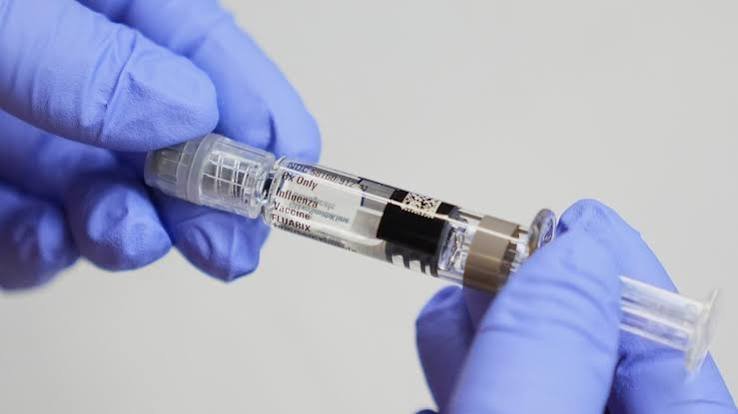
ABUJA, Nigeria- coalition of leading United States medical organisations has released independent vaccination guidance for seasonal respiratory diseases, seeking to provide healthcare professionals and the public with evidence-based recommendations amid delays affecting federal vaccine advisories.
The guidance, published on Wednesday, covers vaccination against influenza, COVID-19 and Respiratory Syncytial Virus (RSV), following disruptions to the United States’ routine vaccine recommendation process.
The coalition includes the American Medical Association (AMA), the American Academy of Pediatrics (AAP) and several other medical bodies.
The organisations said the initiative became necessary after legal disputes and policy changes under Health Secretary Robert F. Kennedy Jr. delayed the annual recommendations usually issued by the Centres for Disease Control and Prevention (CDC).
According to the coalition, the recommendations are based on the latest scientific evidence and an independent review conducted by the University of Minnesota’s Vaccine Integrity Project (VIP), which found no new safety concerns associated with vaccines for the targeted respiratory illnesses.
The guidance outlines vaccination recommendations based on age, pregnancy status and other health conditions to assist clinicians in making informed decisions with patients.
Speaking during a press conference, AMA President-elect Dr Sandra Fryhofer said patients deserved vaccine guidance grounded in credible scientific evidence rather than uncertainty.
“Patients need and deserve vaccine recommendations that are clear, credible and based on the best available scientific evidence, so they can make informed vaccine decisions for themselves and for their families,” she said.
The coalition expressed concern over declining vaccination rates in the United States since the COVID-19 pandemic, noting that misinformation and policy uncertainty had contributed to reduced public confidence in immunisation programmes.
Since assuming office, Kennedy has overseen significant changes to federal vaccination policies, including ending recommendations for universal hepatitis B vaccination for newborns and revising federal guidance on COVID-19 and measles vaccines.
However, several of those policy changes were suspended in March after a federal judge ruled that the administration had departed from established scientific procedures in developing vaccine recommendations.




Join the conversation