


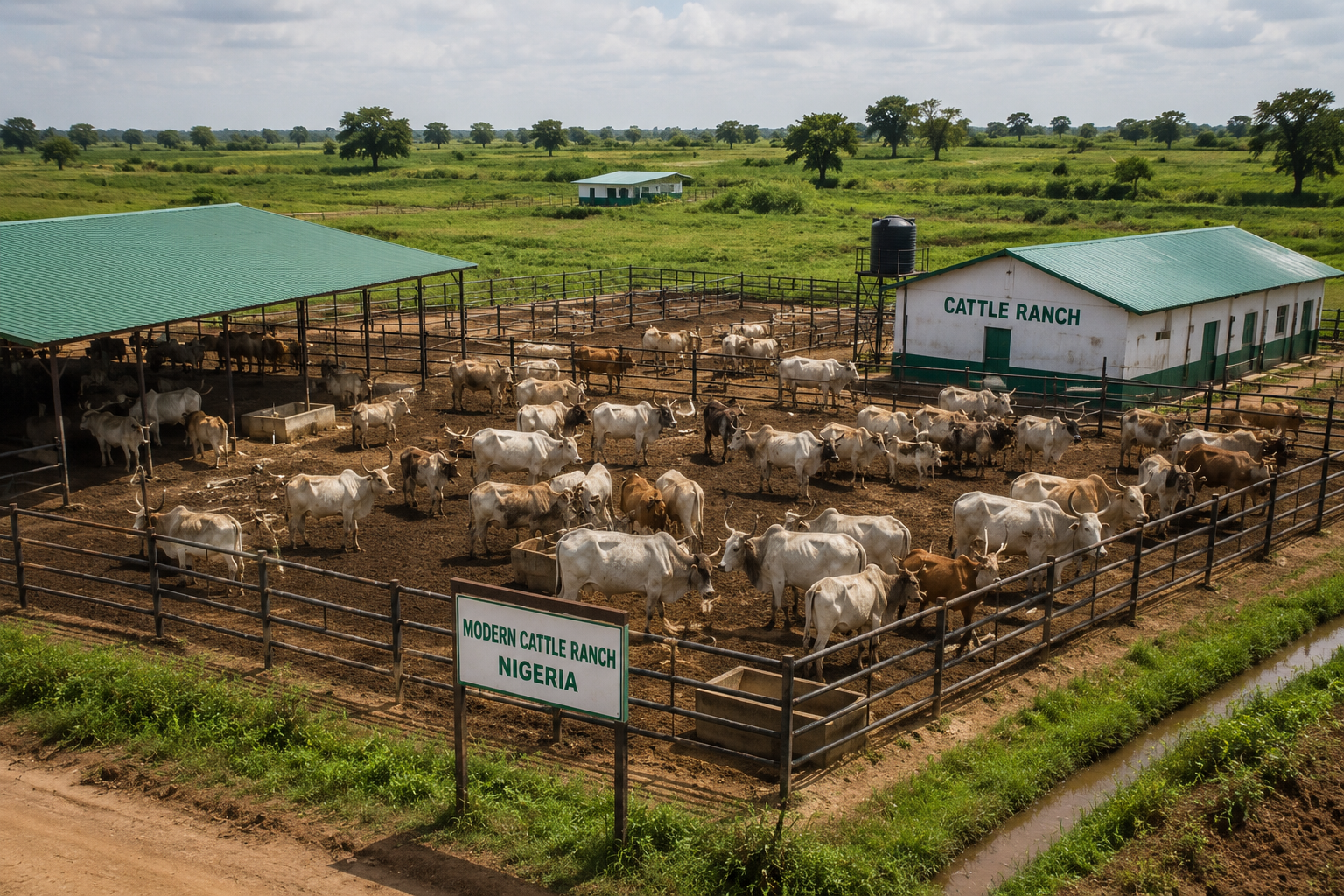
ABUJA, Nigeria – Nigeria is home to one of Africa’s largest livestock populations, yet millions of families still struggle to afford meat. Despite having an estimated 18.4 million cattle, 76 million goats and 43.4 million sheep, the country continues to face rising meat prices, inadequate animal protein and recurring farmer-herder conflicts. In this report, Korede Abdullah examines why Nigeria’s vast livestock resources have failed to translate into affordable meat, and how experts believe ranching, improved breeding, better animal healthcare, modern abattoirs and stronger government policies could transform the livestock sector into a driver of food security, economic growth and rural development.
Millions of Livestock, Yet Meat Remains Expensive
Nigeria’s livestock numbers suggest enormous potential.
Yet the country still imports significant quantities of animal products while local consumers continue to pay high prices for beef and other meat products.
According to Dr Israel Bankole Ojo, an agricultural economist and lecturer at Ekiti State University, the problem is not simply the number of animals Nigeria owns but how efficiently they are raised.
“The issue is not simply how many animals Nigeria has, but how much meat we can efficiently produce from them. We need to improve genetics, feeding, animal health and management if we want livestock to contribute significantly to food security and the economy.”
He said Nigeria must move beyond traditional livestock keeping towards a modern, commercially driven meat industry capable of meeting the country’s growing demand.
Better Breeding Could Transform Meat Production
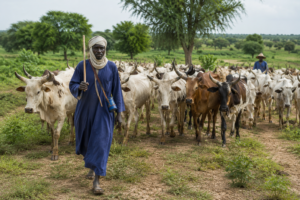
Experts say one of the biggest opportunities lies in improving livestock genetics.
A 2024 study published in the Nigerian Journal of Animal Production found that indigenous Bunaji cattle produced an average of 2.37 litres of milk daily, compared with about 21 litres for pure Friesian cattle under improved management.
Although the study focused on dairy production, experts say it demonstrates how scientific breeding can significantly improve overall livestock productivity, including meat production.
Dr Ojo explained: “This tells us that genetics matters. If we combine improved breeds with proper nutrition, veterinary care and good management, we can produce animals that grow faster, are healthier and provide more meat within a shorter period.”
Improved breeding programmes, he added, would help farmers produce more meat using fewer resources while increasing profitability.
Why Ranching Matters
Many livestock experts believe Nigeria’s long-term solution lies in transitioning from uncontrolled open grazing to ranching and other modern livestock production systems.
These include managed pasture, commercial feedlots and intensive livestock farms where animals receive balanced nutrition and proper veterinary care.
Veterinary doctor Dr Ibrahim Abiodun said healthy animals begin with proper management.
“An animal that is poorly fed or constantly exposed to disease cannot give the farmer maximum returns. Proper nutrition, vaccination, disease surveillance and regular veterinary attention are essential if Nigeria wants to produce healthy animals and safe meat on a commercial scale.”
He noted that healthier animals mature faster, produce better-quality meat and reduce financial losses caused by disease outbreaks.
Butchers Feel the Impact First
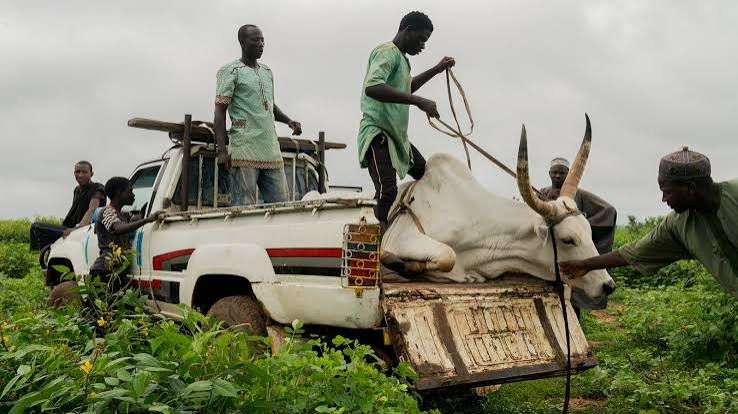
At the retail end of the value chain, butchers say rising production costs directly affect meat prices.
Lagos butcher Seun AbdulRazaq said transport, animal feeding and other production expenses continue to push up beef prices.
“When the cost of bringing cattle to the market goes up, the butcher has no choice but to increase the price of meat. Transport, feeding and other expenses all come into the price. If cattle can be produced closer to the market and at lower cost, consumers will benefit.”
He believes improving local livestock production would make meat more affordable while stabilising supply.

Consumers Are Buying Less Meat
For many households, rising meat prices have forced difficult choices.
Consumers interviewed by Africa Health Report said they now buy smaller quantities of meat or purchase it less frequently because household budgets are under increasing pressure.
Mrs. Kudirat Lasisi recalled when meat was considered an affordable part of everyday meals.
“There was a time when buying meat was something an average family could easily afford. Now, you have to consider the price before asking the butcher to add another piece.”
She said families are now forced to prioritise rent, transport, school fees and other essentials.
“People want to eat meat, but they also have to pay for transport, rent, school fees and other necessities. When meat becomes too expensive, it is one of the first things many families reduce.”
Experts warn that declining meat consumption could worsen nutritional deficiencies, especially among children and other vulnerable groups who depend on animal protein.
Modern Abattoirs Are Part of the Solution
Increasing livestock production alone will not solve Nigeria’s meat challenges.
Experts say modern slaughterhouses, proper meat inspection, refrigerated transportation, cold storage facilities and improved processing systems are equally important.
Dr Abiodun stressed that food safety must remain a priority throughout the meat value chain.
“Meat production does not end when the animal reaches the abattoir. Hygiene, inspection, proper slaughtering, refrigeration and transportation are equally important because poor handling can turn good-quality livestock into a public-health risk.”
Modern processing facilities, he said, would reduce contamination, minimise post-slaughter losses and improve consumer confidence.
Ranching Could Also Improve National Security
Beyond improving meat production, ranching could help reduce one of Nigeria’s most persistent security challenges.
The World Bank estimates that conflicts between farmers and herders cost Nigeria about US$14 billion annually through lost agricultural production, destruction of property and displacement.
According to Dr Ojo, ranching offers both economic and security benefits.
“Ranching should not be viewed only as an agricultural policy. It is also an economic and security strategy. If livestock owners have properly managed ranches with adequate pasture and water, there will be less pressure to move animals across farmers’ lands and fewer opportunities for conflict.”
Experts argue that settled livestock systems would improve productivity while reducing disputes over grazing routes.
Building a Modern Meat Industry
Agriculture specialists say Nigeria must shift its focus from simply counting livestock to developing an integrated meat industry.
This would require coordinated investments in improved breeding programmes, veterinary services, animal feed production, ranch development, modern abattoirs, meat processing facilities and efficient distribution systems.
Government support through infrastructure, research, access to finance and favourable livestock policies will also be critical.
According to AbdulRazaq: “If government and private investors can make it easier and cheaper to produce and process meat locally, the benefits will reach everyone—from the farmer and butcher to the final consumer.”
The Path Forward
Nigeria has the livestock resources to become a leading producer of affordable, high-quality meat in Africa.
What it lacks is a modern production system capable of turning that potential into reality.
Experts agree that improving livestock genetics, expanding ranching, strengthening veterinary services, investing in modern abattoirs and encouraging greater public-private investment could transform the sector.
Such reforms would not only increase meat production but also improve food security, create jobs, lower consumer prices and reduce conflicts linked to open grazing.
As Dr Israel Bankole Ojo concluded: “Nigeria needs a livestock revolution that increases productivity, creates jobs, reduces the cost of animal protein and turns the country’s large livestock population into a productive economic asset.”
With demand for affordable protein rising alongside Nigeria’s growing population, the success of that livestock revolution may determine whether millions of households can put more nutritious meals on their tables in the years ahead.



Join the conversation