


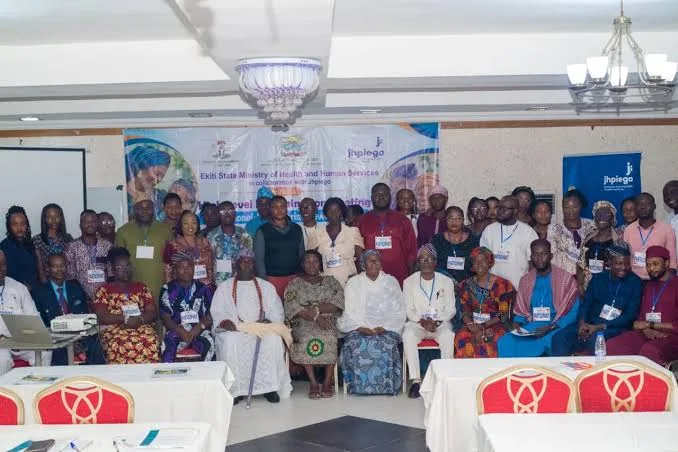
EKITI, Nigeria – Ekiti State and international health organisation Jhpiego have pledged to sustain and expand access to hormonal intrauterine devices (IUDs) as a family planning option for women beyond the end of a scale-up project.
The commitment was made at a project dissemination meeting organised by the state government and Jhpiego in Ado Ekiti on Saturday to review implementation outcomes, challenges and plans for continuing the services.
Permanent Secretary of the Ekiti State Ministry of Health and Human Services, Olusola Gbenga-Igotun, said the government was working to ensure family planning commodities remained available at health facilities providing the services. She urged residents to seek family planning advice from qualified health professionals. “Informed decisions on family planning can contribute to better health outcomes,” Gbenga-Igotun said.
The ministry’s Family Planning Coordinator, Bukola Adekemi, said the meeting brought together stakeholders, including frontline health workers, to develop strategies for sustaining and expanding hormonal IUD services.
Jhpiego’s Hormonal IUD Project Director, Hannatu Abdullai, said the intervention focused on training health workers, particularly frontline providers, to deliver the service. She added that the project raised awareness of the method’s benefits, including its potential to reduce heavy menstrual bleeding.
Jhpiego’s Ekiti Team Lead, Muriana Olotu, said the initiative aimed to improve women’s access to hormonal IUDs and the services needed to use them safely. She stressed that the state needed to maintain the gains made during the project.
The Onise of Odo-Oro-Ekiti, Oba Babatunde Adebayo, urged residents to prioritise their health and adopt positive health-seeking behaviours. He commended the government and its partners for supporting women’s health.
The meeting featured presentations on project findings and lessons, discussions on service delivery challenges, and a panel session on tackling misconceptions, raising awareness and improving community acceptance of family planning.





Join the conversation