
 Mirian Gom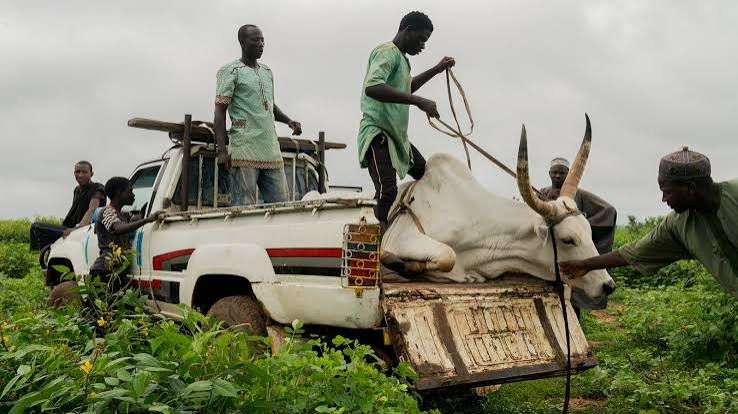
ACCRA, Ghana – Shrinking water resources, degraded farmland and changing weather patterns are intensifying competition for land and water across West Africa, with parliamentarians warning that climate pressures are aggravating displacement, farmer-herder tensions and insecurity.
The warning was made during the Second Parliamentary Seminar of the Sixth Legislature of the Economic Community of West African States (ECOWAS) Parliament in Accra, Ghana.
The seven-day seminar, which began on September 21 and runs until September 27, is examining climate change as a driver of environmental degradation, population displacement and growing insecurity in the region.
Discussions at the seminar have focused on the increasingly interconnected effects of climate change, environmental degradation, livelihoods, migration and regional security.
Nigeria’s presentation highlighted the interaction between population growth, agricultural expansion, climate variability, land degradation and changing migration patterns in intensifying competition between farming and pastoral communities.
The presentation identified disputes over crop destruction, access to land and water, encroachment on livestock routes, cattle theft and changing patterns of seasonal migration among factors contributing to farmer-herder tensions.
However, it cautioned against reducing the conflicts to a simple confrontation between farmers and herders. Communal tensions, banditry, organised crime, climate pressures and weaknesses in conflict-resolution mechanisms were also identified as contributing factors. “In Nigeria, internal displacement has been linked to armed conflict, communal violence, farmer-herder conflict, banditry, terrorism, flooding and other disasters,” Nigeria’s presentation stated.
Citing 2025 assessments by the International Organisation for Migration, the presentation said more than 2.2 million people were internally displaced in the North-East, while more than 1.3 million were displaced across the North-Central and North-West regions.
The figures, presented at the seminar, illustrate how environmental pressures intersect with existing security and humanitarian challenges.
About the Author


 Oluwatobi Adu


 Hope Ajayi