


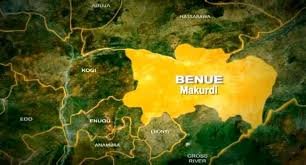
BENUE, Nigeria – The Benue malaria prevention campaign has received a major funding boost after the Benue State Government approved ₦294.53 million as its counterpart contribution to the 2026 Seasonal Malaria Chemoprevention (SMC) programme aimed at protecting children from malaria during peak transmission periods.
The approval is granted during the State Executive and Security Council meeting held on Friday at the Government House in Makurdi, according to the Commissioner for Health and Human Services, Dr Paul Ogwuche.
Briefing journalists on Saturday, Ogwuche says the funding will support preventive healthcare interventions for children, who remain the group most vulnerable to malaria during the rainy season.
According to the commissioner, the investment reflects the government’s commitment to strengthening preventive healthcare through increased funding, improved coordination and strategic partnerships.
Ogwuche stresses that the success of the programme will depend on the transparent management and efficient distribution of medicines across the state.
He directs healthcare workers, programme managers and volunteers involved in the campaign to ensure that antimalarial medicines reach all eligible children while maintaining accurate records and submitting timely implementation reports.
The commissioner also urges field workers to engage communities effectively to improve public awareness and participation throughout the campaign.
He appeals to parents, caregivers, traditional rulers, religious leaders and other community stakeholders to encourage eligible children to participate in the programme.
Ogwuche says collaboration between communities and health officials will be critical to ensuring that the campaign reaches as many children as possible.
Seasonal Malaria Chemoprevention is a World Health Organization-recommended strategy used in areas where malaria transmission rises during specific periods of the year. The intervention involves administering recommended antimalarial medicines to eligible children during high-risk seasons, including those who are not showing symptoms of the disease.




Join the conversation