
 Oluwatobi Adu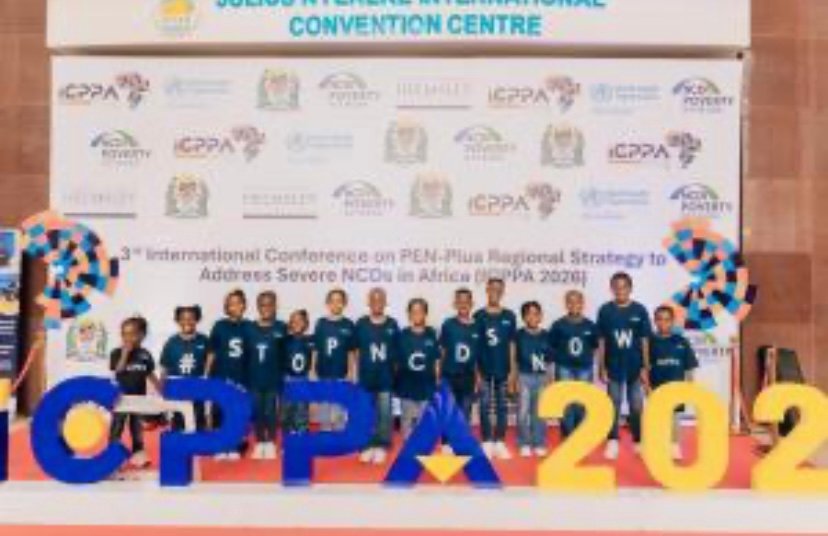
ABUJA, Nigeria – African health leaders have warned that millions of people living with severe noncommunicable diseases in rural communities remain without access to life-saving treatment, raising concerns that the continent could miss key health targets set for 2030.
The warning emerged at the end of the 3rd International Conference on PEN-Plus in Africa, held in Dar es Salaam, Tanzania, where policymakers, health experts and development partners called for urgent investment in chronic disease care.
Delegates said more than 100 million people in sub-Saharan Africa are living with serious conditions such as Type 1 diabetes, sickle cell disease, rheumatic heart disease, congenital heart disease and cancer.
Despite the growing burden, specialised services remain concentrated in urban centres, leaving millions in rural communities without diagnosis, treatment or long-term care.
At the centre of discussions was the PEN-Plus model, an African-led approach that decentralises advanced noncommunicable disease services to first-level referral hospitals.
Health officials said 20 countries in the WHO African Region have either implemented or are preparing to adopt the model.
“The PEN-Plus strategy is an African response to an African reality, and this conference presents a valuable opportunity to speak with one voice on health investment and the future of noncommunicable disease services,” Tanzania’s Minister of Health, Mohamed Omary Mchengerwa, said.
WHO Regional Director for Africa, Mohamed Janabi, urged governments to increase domestic funding.
“Africa must invest more now in addressing noncommunicable diseases with adequate and sustained resources,” he said.
“By strengthening the implementation of integrated approaches such as PEN-Plus, we can ensure that people living with severe NCDs receive the life-saving care they deserve.”
Participants also pledged to intensify efforts against major risk factors including tobacco use, harmful alcohol consumption, unhealthy diets, physical inactivity and air pollution.
Professor Gene Bukhman of Harvard Medical School said the model offers a pathway toward health equity.
“PEN-Plus has shown us this important promise: that integrated health care delivery, strengthened by coordinated social movements, can improve health care for everyone,” he said.
About the Author


 Edino Chubiyo Cornelius
 Abah Felicity
 Oluwafunbi Bello