The Trust Gap: Why Some Nigerian Parents Still Say No to Vaccines
 Edino Chubiyo Cornelius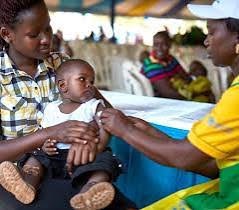
ABUJA, Nigeria – For decades, Nigeria’s biggest vaccination challenge was getting vaccines into communities. Today, another obstacle is proving just as difficult to overcome convincing parents to trust them.Although routine immunisation services and vaccination campaigns have expanded across the country, thousands of Nigerian children still miss life-saving vaccines each year. In some communities, families struggle to reach health facilities. In others, misinformation, fear and mistrust discourage parents from completing their children’s vaccination schedules.In this report, Edino Cornelius examines why vaccine availability alone is not enough to protect Nigeria’s children. Through interviews with parents, health workers, community leaders and public health experts, the report reveals how misinformation, weak community engagement and healthcare access gaps continue to undermine immunisation efforts—and why rebuilding trust may be Nigeria’s most important vaccine.
When Access Isn’t the Only Problem
Nigeria has made significant investments in routine immunisation and targeted vaccination campaigns aimed at protecting children against preventable diseases.
Yet despite improved vaccine availability in many locations, thousands of children remain under-immunised.
While some families miss vaccinations because health services are difficult to reach, others hesitate after hearing rumours from relatives, religious circles, neighbours or social media.
For many parents, the decision is influenced as much by trust as by access.
The Misinformation Challenge
The rapid growth of social media has transformed how Nigerians receive health information.
Unfortunately, false claims about vaccines often spread faster than verified medical advice.
Rumours linking vaccines to infertility, hidden side effects or harmful ingredients continue circulating online and within communities. When such information comes from trusted friends or respected figures, parents may accept it without verification.
Public health advocate Dr Ibrahim Danjuma believes health communication must move beyond simply correcting misinformation.
“A parent should be able to ask questions about vaccination without being treated as an enemy of public health.”
He argues that respectful conversations are more effective than dismissing people’s concerns.
“If people feel ignored, they may look elsewhere for answers. That’s where misinformation gains influence.”
Trust Begins in the Community
Recognising this challenge, the World Health Organization has renewed its call for greater involvement of traditional and community leaders in strengthening public confidence in immunisation, particularly polio vaccination.
These leaders often have longstanding relationships with families and understand local concerns better than outsiders.
Community leader Mallam Abdullahi Sani believes they should be engaged before vaccination campaigns begin.
“People are more likely to accept information from someone they already know and trust.”
According to him, early engagement allows community leaders to identify misconceptions, answer questions and direct parents towards reliable information before rumours spread.
Parents Want Information, Not Arguments
For many parents, hesitation is not the same as opposition.
Mother of two Grace Oloruntoba said conflicting information initially left her uncertain about vaccinating her children.
“You hear different things online and from people around you. It becomes difficult to know what is true.”
Her confidence improved only after a healthcare worker patiently explained each vaccine and the recommended schedule.
“When parents understand why their children need a vaccine, there is less room for fear.”
Her experience highlights a simple reality: informed parents are often more confident parents.
Health Workers Need Time to Build Confidence
Primary healthcare workers remain the most trusted source of vaccine information for many families.
But heavy workloads and staff shortages often leave little time for detailed conversations.
Primary healthcare worker Blessing Emmanuel said most parents who ask questions simply want reassurance.
“When there is enough time to explain the benefits and possible reactions, many concerns disappear.”
She believes communication should be recognised as an essential part of vaccination rather than an optional extra.
Not Every Missed Vaccine Is About Hesitancy
Experts caution against assuming every unvaccinated child reflects parental refusal.
Distance to health facilities, transport costs, insecurity, displacement and irregular outreach services continue to prevent many families from completing immunisation schedules.
Others lose vaccination records after relocating or simply lack information about when their children are due for their next appointment.
These challenges mean Nigeria faces two interconnected problems: making vaccines easier to access while strengthening public confidence in them.
Closing Nigeria’s Immunisation Trust Gap
Experts agree that increasing vaccine supply alone will not achieve universal immunisation.
Building confidence requires continuous engagement between health authorities and communities, timely responses to misinformation and stronger partnerships with traditional institutions, religious organisations, schools and women’s groups.
Equally important is ensuring that parents who choose to vaccinate their children consistently find functioning services, clear schedules and vaccines available when they arrive at health facilities.
Broken promises can erode trust just as quickly as false information.
Beyond the Needle
Protecting Nigerian children from vaccine-preventable diseases requires more than delivering vaccines—it requires earning public confidence.
Parents need reliable information, not conflicting messages. Health workers need adequate staffing, training and time to answer questions. Community leaders need accurate information to counter misinformation before it spreads. And governments must ensure that vaccination services are consistently available, accessible and reliable.
Trust is not built during a single immunisation campaign. It grows through honesty, respectful dialogue and dependable healthcare services.
Until Nigeria closes both the access gap and the trust gap, some children will continue to miss life-saving vaccines—not because the vaccines do not exist, but because confidence in the system that delivers them remains fragile.
About the Author


 Korede Abdullah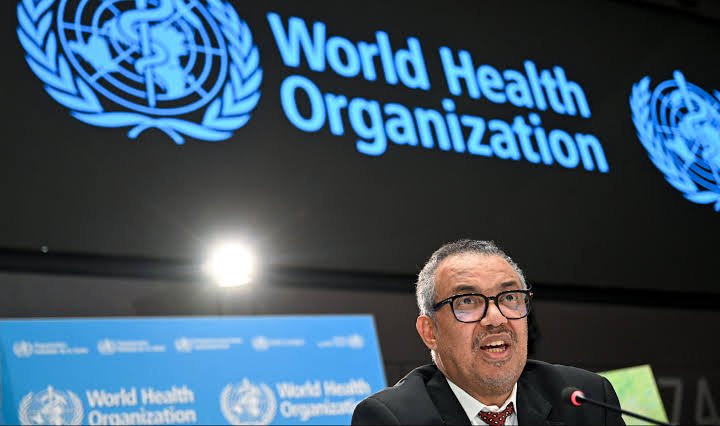
 Mirian Gom