
 Korede Abdullah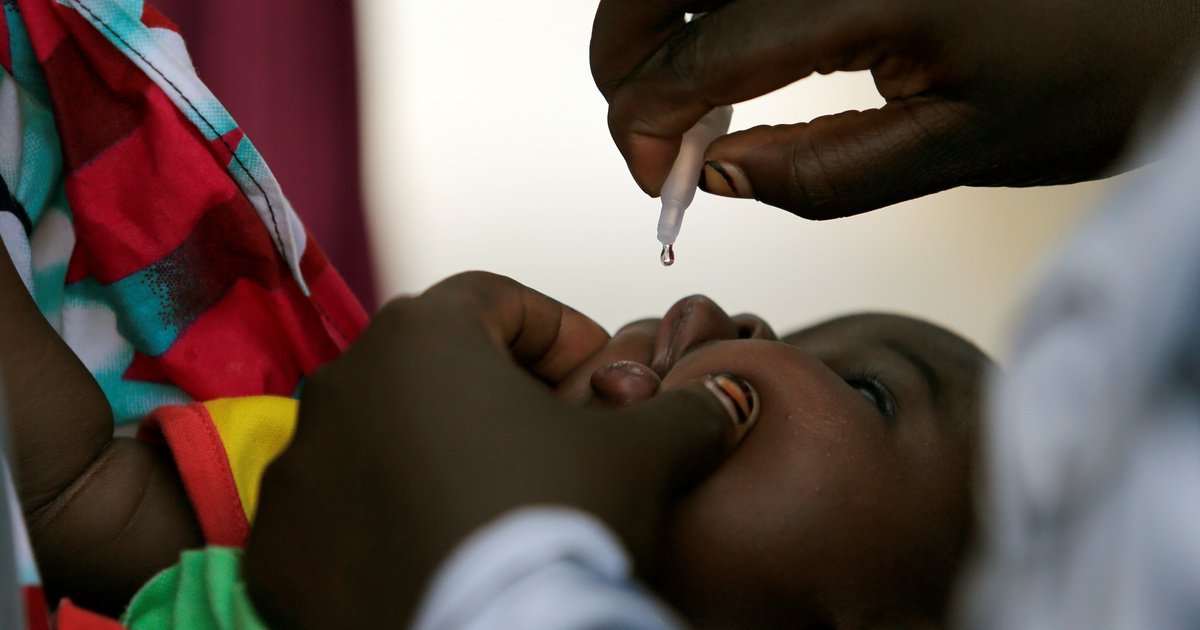
LAGOS, Nigeria – Lagos State has intensified calls for increased domestic funding to sustain recent gains in routine immunisation, warning that declining donor support could reverse progress in reducing zero-dose children.
At an advocacy meeting on Monday, stakeholders urged stronger government investment to expand access to life-saving vaccines, particularly for children who have not received any routine immunisation.
The Better Opportunities for Reaching Children (BOOST) Project, supported by GSK and implemented by Save the Children International, emphasised the urgency of closing funding gaps.
Speaking at the meeting, Policy and Advocacy Manager, Dr Dave Agboola, said long-term success depends on stronger government ownership of health financing.
“The goal is to ensure that advocates understand the issues and push for policies that improve routine immunisation through increased domestic resource mobilisation,” she said.
Agboola warned that dwindling donor support makes local funding critical, adding that efficient allocation of resources could significantly strengthen immunisation systems.
Referencing the Abuja Declaration, she noted that governments are expected to allocate at least 15 per cent of their budgets to health.
“If this benchmark is met and efficiently utilised, we can assess whether funding is sufficient or requires expansion,” she said.
She also highlighted persistent gaps in healthcare infrastructure and workforce distribution, citing areas such as Ikorodu where access challenges continue to drive zero-dose cases.
Experts cautioned that failure to act could lead to vaccine shortages and rising child mortality, urging targeted outreach and improved planning.
About the Author

 Hope Ajayi
 Mirian Gom
 Oluwatobi Adu