


ABUJA, Nigeria – The World Health Organization approves the first malaria treatment specifically designed for newborns and infants, marking a major breakthrough in child health.
The drug, artemether-lumefantrine, meets global standards for safety, quality and efficacy under WHO prequalification.
Previously, infants were treated with medicines formulated for older children, increasing risks of dosage errors and side effects.
“The medicine meets international standards,” WHO says.
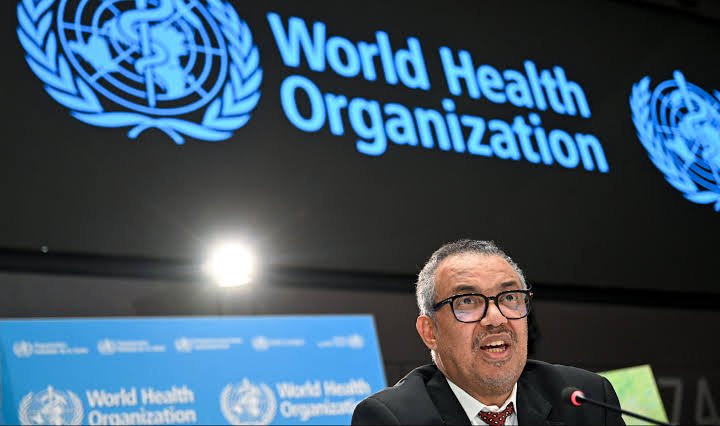
WHO Director-General Tedros Adhanom Ghebreyesus calls the development transformative:
“Ending malaria is now a real possibility.”
Malaria remains a major global threat, with 282 million cases and 610,000 deaths recorded in 2024, most in Africa.
Children under five account for nearly three-quarters of deaths, highlighting the urgency of tailored treatments.
WHO says the new formulation could help close a treatment gap affecting millions of newborns annually in endemic regions.
However, challenges including drug resistance, weak health systems and funding shortfalls continue to hinder progress.
The agency urges sustained investment to accelerate malaria elimination efforts.


Join the conversation