 Mirian Gom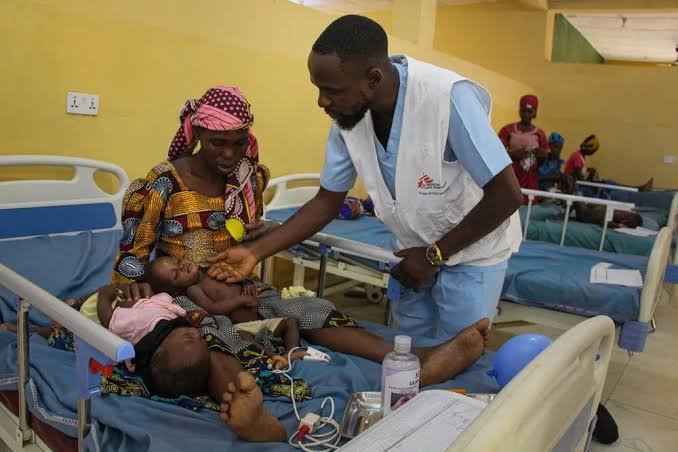
ABUJA, Nigeria – Médecins Sans Frontières (MSF), also known as Doctors Without Borders, treated 425,634 children for acute malnutrition in northern Nigeria in 2025, a 41.8 per cent increase from the previous year, as the organisation called for stronger action to address the drivers of the country’s humanitarian health crisis.
MSF Country Representative in Nigeria, Dr Ahmed Aldikhari, disclosed the figures on Wednesday in Abuja at an event marking the organisation’s 30 years of humanitarian and medical work in Nigeria.
Aldikhari said MSF teams had treated 57,999 children for malnutrition in inpatient facilities and 220,995 through outpatient programmes between January and August 2026.
MSF’s independently published figures confirm that its teams treated 425,634 children for acute malnutrition across northern Nigeria in 2025, representing a 41.8 per cent increase over 2024.
He said the crisis extended beyond malnutrition, with cholera, diphtheria, malaria, maternal health needs, displacement and insecurity continuing to place pressure on communities and already stretched health services. “Malnutrition, infectious diseases, maternal health needs, displacement and insecurity are closely connected,” Aldikhari said.
Aldikhari said treating malnutrition remained essential, but the scale of the crisis required greater emphasis on prevention and tackling the conditions that expose children and families to poor health.
According to figures cited at the event, the Food and Agriculture Organization projected that 34.7 million people would face crisis or worse levels of acute food insecurity during the 2026 lean season, while more than 5.4 million children were expected to suffer acute malnutrition.
Secretary to the Government of the Federation, Senator George Akume, represented by Dr Aishatu Gogo, Akume urged the organisation to use lessons from its three decades of operations to support stronger health systems and capacity development.
About the Author