

LAGOS, Nigeria – The Lagos State Government says it is targeting an additional 2,000 megawatts (MW) of electricity supply by March 2027 as it seeks to address persistent power shortages through regulatory reforms and private-sector investment.
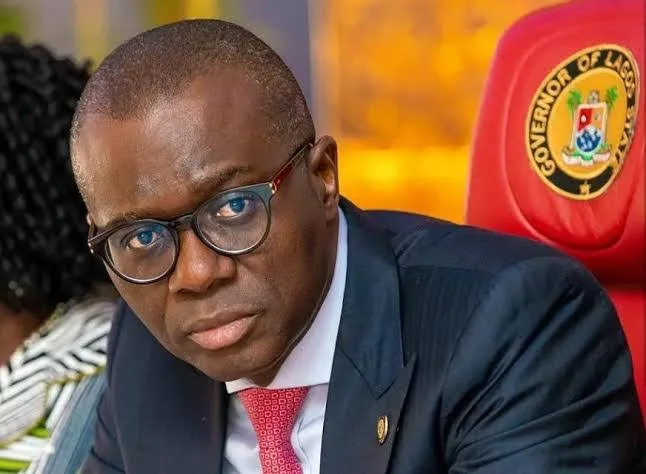
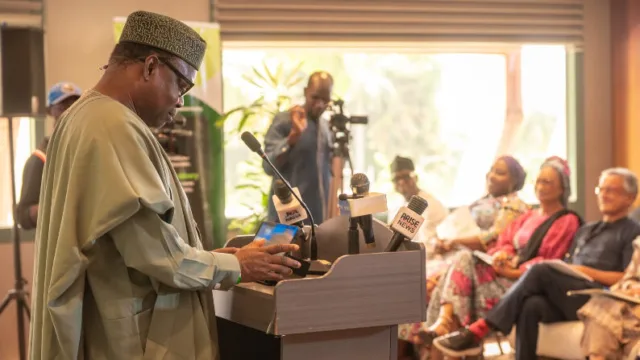
Governor Babajide Sanwo-Olu announced the target on Wednesday at the Lagos Energy Summit 2026, themed “Lagos Energy Evolution: Transforming the Future”. He was represented at the event by the Secretary to the State Government, Abimbola Salu-Hundeyin.
Sanwo-Olu said unreliable electricity and high energy costs continued to affect manufacturers, small businesses and households, stressing that improved power supply was critical to sustaining Lagos’s economic growth. He said the administration was pursuing infrastructure improvements, regulatory reforms and greater private-sector participation to strengthen the state’s electricity market.
The Commissioner for Energy and Mineral Resources, Biodun Ogunleye, said the government was engaging approximately 22 investors to conclude transactions in the energy sector. He added that the state was working with the Federal Government to resolve outstanding challenges relating to Power Purchase Agreements (PPAs).
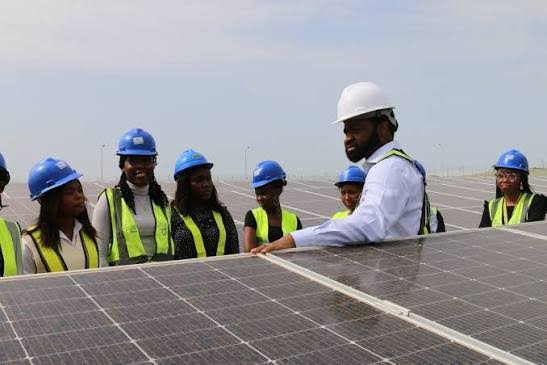
According to Ogunleye, the strategy also includes improvements to transmission and distribution networks, automation of energy assets to curb electricity theft and vandalism, and the promotion of renewable sources such as solar, wind and hydropower. Providing an overview of the state’s electricity deficit, the Permanent Secretary in the Ministry of Energy and Mineral Resources, Ibilola Kasunmu, said Lagos, with an estimated population of 22 million and electricity demand of about 6,000MW, currently receives less than 1,000MW from the national grid.
She attributed the shortfall to inadequate generation, gas supply constraints, weak transmission infrastructure and poor electricity collection systems. Kasunmu said the state was exploring embedded generation, waste-to-energy projects and a joint technical working committee with the Federal Government to address the supply gap.

Join the conversation