


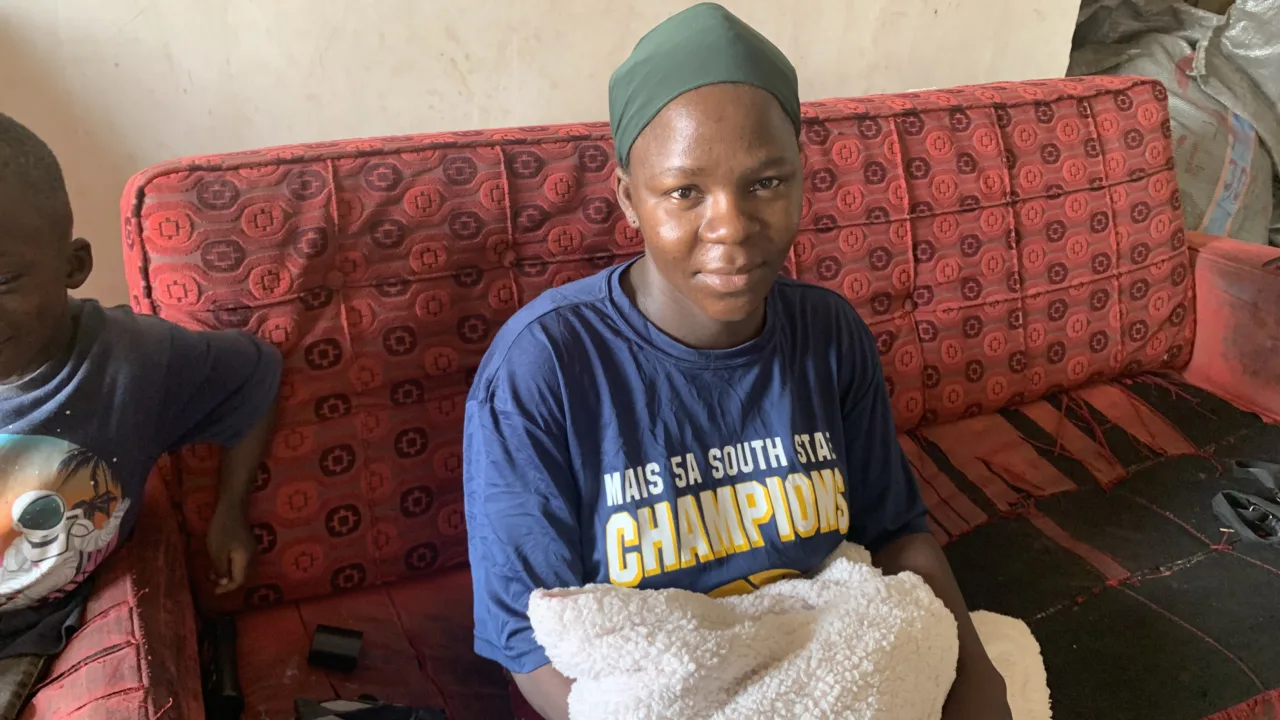
ABUJA, Nigeria – For mothers in Kpana village and Masaka, Nasarawa State, feeding their children increasingly means choosing what the family can afford rather than what growing bodies need. With nutritious foods becoming harder to buy and essential healthcare costs competing with household expenses, young children risk losing out on the nutrition critical to their growth and development. In this report, Oluwatobi Adu examines how rising food prices are reshaping family diets, the consequences for children under five, and whether Nigeria’s latest nutrition policy commitments will translate into meaningful support for vulnerable households.
When Feeding a Child Becomes a Daily Struggle
In Kpana village, Nasarawa State, 34-year-old Charity Naroka knows what her children need to eat. What she cannot always afford is the food required to provide it. The mother of five runs a small business while caring for her family. Financial pressure has made it difficult to prepare separate meals for her two-year-old, who eats what the rest of the household can afford.
Naroka said breakfast would ideally include tea, bread and eggs. Instead, the family increasingly relies on akamu, a maize-based pap, sometimes accompanied by moi moi. “Because of the economy, sometimes we used to take akamu. Yes, with sugar sometimes, we would have akamu with moi moi, good, and while sometimes if there is no money, they take the akamu like that and they go to school,” she said.
Lunch is similarly uncertain. When other foods are too expensive, the family turns to tuwo, a traditional staple. Naroka also stretches soup ingredients across meals, sometimes substituting ponmo, or cow skin, for more expensive ingredients.
“When I want to cook, I know that maybe I’m supposed to use fish, crayfish, smoked fish and cook one pot of soup. But because of the economy now, I would just manage to cook, maybe put crayfish and ponmo in one soup so that we can use the other ones for the other pot of soup. Sometimes I manage to use ponmo to cook,” she said.
Naroka hopes to expand her business, secure employment for her husband and obtain scholarships for her children. For now, each trip to the market forces her to weigh what the family needs against what she can afford. Her experience highlights the difference between having enough food to fill a child’s stomach and providing the nutrients needed for healthy growth.
Rising Food Prices Force Families to Cut Back
Naroka is not alone. Lami Yakubu, a 32-year-old hairdresser who works from home in Kpana, said her family’s meals depend on available cash and her husband’s earnings as a gateman.
The mother of two, including a two-year-old daughter, said the family sometimes buys masa from local vendors for breakfast. The quantity depends on how much money they have. “Sometimes, in the morning, we buy masa from food vendors at Kpana market. If we have ₦500, we buy what that amount can afford, and if we have ₦1,000, we can buy more. It depends on how much money is available at home,” she said.
Meat and fish have also become harder to afford regularly. “When I go to the market and meat or fish is too expensive, I may buy a little ponmo or leave those things out. We have to manage the money available and prepare what the family can eat,” Yakubu said.
The financial strain extends to healthcare. Yakubu said she could previously afford some of the vitamins her daughter needed between six and nine months of age. She now struggles to pay for transportation and other expenses associated with visiting a primary healthcare centre.
“Before, we could afford to buy some of the vitamins my child needed when she was between six and nine months old. But now, I cannot even afford to take her to the primary health centre for her scheduled vaccinations because of the cost of transportation and other expenses. I believe she is strong and healthy, and we are taking care of her in the little way we can,” she said.
Her experience shows how food, transport and healthcare compete for the same limited household income. A child appearing healthy to a parent does not, however, establish whether the child is receiving adequate nutrition or has completed the recommended vaccination schedule.
In Masaka, 44-year-old Rose, a fruit seller and mother of three, said rising food prices had forced her family to reduce its meals from three a day to two. “Before, we used to eat three square meals a day. But now, we don’t. We eat twice a day,” she said.
Although rice, beans and other staples remain part of the family diet, meat, chicken and other ingredients have become less affordable. “Before, we could use stew, chicken, meat, beef, all those things. But now, due to the economy, we use just crayfish and anything else. Any day we see a small shawa fish, that is the day we enjoy for now,” Rose said.
Her two-year-old son eats the same meals as the rest of the household.
Rose appealed to the government to reduce food prices, warning that some families struggle to afford even two meals daily.
The three mothers’ experiences reveal how food inflation affects both the quantity and diversity of household diets. For young children, limited access to nutritious food can have consequences that extend well beyond hunger.
Why the First 1,000 Days Matter
The first 1,000 days, from conception to a child’s second birthday, are critical for physical growth, brain development and immune function.
When children do not receive enough food or essential nutrients, they face increased risks of wasting, underweight, stunting and micronutrient deficiencies. Severe or prolonged malnutrition can also increase vulnerability to illness and threaten survival.
Food insecurity does not automatically mean that every child in an affected household is malnourished. However, repeated reductions in meal quantity and dietary diversity can increase the risk, particularly when families also struggle to access healthcare, safe water and sanitation.
Nutritious foods such as eggs, fish, meat, beans, dairy products, fruits and vegetables can be difficult to afford when household income must also cover rent, transport, school expenses and medical bills.
The challenge is therefore not simply ensuring that children eat, but making nutritious food affordable and accessible during the critical early years of development.
Nigeria’s Child Malnutrition Burden in 2026
The mothers’ accounts reflect a wider national nutrition challenge.
According to figures attributed to Nigeria’s 2025–2026 Mini-Demographic and Health Survey, 41.1 per cent of children under five are stunted, while 19.2 per cent are severely stunted. The reported prevalence of stunting rises to 58.2 per cent in the North-West.
Stunting reflects impaired growth associated with chronic or recurrent nutritional deprivation and other factors. It can indicate that a child has experienced conditions that have hindered healthy development.
The report also cites estimates that nearly two million Nigerian children are living with severe acute malnutrition, with only about two in every ten receiving treatment.
In Katsina State, more than 87,000 children reportedly received outpatient treatment for acute malnutrition between January and August 2026. This figure reflects treatment activity, not the total number of affected children or the full extent of unmet need.
These figures underscore the need for sustained prevention, early identification and treatment. They also raise questions about whether vulnerable families can afford nutritious food and access the health services needed to protect their children.
Food Inflation Deepens the Nutrition Crisis
The economic situation compounds the challenge. The report cites food inflation rates of 19.57 per cent in August 2026 and 19.59 per cent in September. Although month-on-month food prices reportedly fell in September, year-on-year inflation remained elevated.
A slower rate of price increases does not necessarily mean food has become affordable. Households may still pay substantially more than they did a year earlier, even when prices rise more slowly.
For families in Kpana and Masaka, limited income must cover food, transportation, healthcare and other basic needs. When money runs short, they may reduce meal frequency, buy smaller quantities or exclude more expensive ingredients.
These adjustments may help families cope in the short term, but they can also make it harder to maintain a diverse diet. The central issue is whether households have enough purchasing power to obtain food that meets their children’s nutritional needs.
Nutrition Experts Warn of Lasting Consequences
Abiodun-Musa Shalom Nancy, a quality control officer and food scientist and technologist, warned that inadequate nutrition among children under two could contribute to underweight, stunted growth, delayed brain development, vitamin and mineral deficiencies, and weakened immunity.
“When children do not receive enough nutritious food they are at risk of malnutrition which can affect their physical and mental development like underweight, stunted growth, delayed brain development, vitamin and mineral deficiencies and weak immune system,” she said.
Nancy said families could improve children’s diets with locally available ingredients rather than relying exclusively on expensive or imported foods. Her recommendations include eggs, groundnuts, sweet potatoes, pumpkin leaves, fish, soybeans, rice, pawpaw, oranges and bananas.
She suggested enriching pap with soybean powder or groundnut paste, preparing mashed yam with egg sauce and finely chopped vegetables, and serving soft beans porridge with fish and palm oil. Other options include moi moi with mashed avocado and soft rice and beans combined with vegetables.
For households on tight budgets, she recommended buying seasonal produce, planning meals, storing food properly and growing vegetables where space permits. However, household strategies cannot replace public support when nutritious food remains unaffordable or families lack access to essential services.
Nancy called for stronger maternal and child nutrition programmes, subsidies for nutritious foods, nutrition education at health facilities, targeted cash transfers, support for local farmers, improved growth monitoring and breastfeeding counselling.
“In my opinion good nutrition during the first two years of life shouldn’t be determined with family financial status. With proper nutrition education, affordable locally available foods and adequate government support, low income families can provide their children with nutrients needed for healthy growth and development,” she said. “Investing in a child’s nutrition means investing in a healthier and more productive generation tomorrow.”
Afolaranmi Damilola Mariam, a food scientist and nutritionist, also warned that inadequate nutrition could contribute to wasting, anaemia, stunted growth and increased vulnerability to infections such as diarrhoea and pneumonia.
She stressed that the first two years are particularly important because the brain, body and other organs develop rapidly during this period. “Poor nutrition during this period can affect brain development, learning ability, memory and physical growth. It can also delay milestones such as sitting, crawling and walking,” she said.
Mariam urged governments to make nutritious food more affordable, support farmers, strengthen maternal and child nutrition programmes and provide financial or food assistance to vulnerable households.
Both experts emphasised that nutrition education is important but insufficient on its own. Parents may understand the benefits of eggs, fish, beans and vegetables yet remain unable to afford them.
Primary Healthcare Workers Call for Practical Support
At Gwarinpa Primary Health Centre, routine immunisation officer Nurse Abishag said financial constraints could force parents to feed young children the same meals prepared for the rest of the household.
She warned that inadequate diets could leave children undernourished and anaemic, stressing that food quality matters alongside quantity. “They would look malnourished and they won’t grow well. They will be anaemic because they are not getting proper nutrition, adequate nutrition. It’s not about the quantity of food they eat,” she said.
Abishag recommended combining locally available ingredients such as maize, millet, groundnuts, crayfish, soybeans and green vegetables to improve the nutritional content of children’s meals.
She estimated that ₦5,000 could cover ingredients for a mixture that could be processed and used from six months of age. However, the actual cost and nutritional value would depend on local prices, quantities, preparation methods and the child’s needs.
She also proposed providing caregivers with small quantities of supplementary food to demonstrate how such foods could be incorporated into children’s diets. “If you are able to encourage a mother by giving a mother, let’s say, two or three cans of food to encourage the mother. And if the mother sees changes from the child, the mother will want to make it happen. So it will encourage them to do it themselves,” she said.
Such support should follow established nutritional guidance and include appropriate age-specific feeding advice, food safety measures and follow-up assessments. Health facilities also need to help caregivers identify growth problems early and access treatment when malnutrition is suspected.
For families such as Yakubu’s, transportation costs can prevent access to healthcare. Expanding nutrition services therefore requires attention to both the quality of care at health facilities and the practical barriers that keep families away.
Nigeria’s Nutrition Commitments: Will Families Benefit?
Nigeria has announced several policy and financing measures intended to address malnutrition and improve access to nutrition services. The report cites the National Policy on Food and Nutrition 2026–2035, which sets targets for reducing stunting, as part of the government’s response.
On 7 October 2026, the Federal Government reportedly announced plans to advance a National Food and Nutrition Bill intended to strengthen accountability and protect funding for nutrition interventions.
Nigeria’s reported $26 million commitment to the Child Nutrition Fund unlocked a matching contribution, bringing the total to $52 million. The report also states that 21 states have contributed a further $6.3 million since 2023 towards prevention and treatment supplies.
On 9 October, state governors reportedly committed to a National Nutrition Intervention Fund to support the Nutrition 774 Initiative and announced plans for targeted interventions in two states with high levels of stunting.
These measures could strengthen Nigeria’s nutrition response if they are adequately funded, implemented and monitored. However, policy announcements, financial commitments and proposed legislation do not automatically translate into assistance reaching health facilities or vulnerable households.
The report also cites an estimated ₦500 billion financing gap. It states that nutrition committees exist in more than 450 local government areas, while some state nutrition councils are still being inaugurated.
Such structures can help coordinate interventions, but their effectiveness depends on what they deliver: functioning nutrition services, reliable supplies, trained health workers, accessible treatment and practical assistance for families unable to afford nutritious diets.
For mothers in Kpana and Masaka, the immediate questions are whether nutritious food will become more affordable, healthcare will be accessible and support will reach households before nutritional problems become severe.
As of the report’s late-October 2026 reference point, the author says there is no clear public evidence demonstrating that the latest commitments have already improved food affordability or clinic access for families such as those interviewed. This assessment requires further testing against implementation records and responses from the responsible agencies.
The Federal Government and state authorities should clarify how much funding has been released, which states and local government areas are receiving support, what interventions have begun and how progress will be measured.
Without transparent reporting, it will remain difficult to determine whether these commitments are producing measurable improvements in children’s nutrition.
Beyond Promises: Getting Nutrition Support to Children
The experiences of Naroka, Yakubu and Rose expose the gap between national nutrition commitments and the meals served in low-income households.
Naroka stretches ingredients across pots of soup. Yakubu measures breakfast against the money available. Rose has reduced her family’s meals from three a day to two. Their circumstances differ, but all three illustrate how rising living costs can undermine household nutrition.
The responsibility cannot rest on mothers alone. Parents need practical nutrition information, but they also need the financial means to put that knowledge into practice.
Nigeria must protect and increase domestic nutrition financing, make nutritious foods more affordable, support vulnerable households, strengthen primary healthcare and ensure that children at risk of malnutrition are identified and treated promptly.
Success must also be measured beyond the number of policies announced, committees inaugurated or funds pledged. Governments should publish clear information on funds released and spent, communities reached, children screened and treated, and changes in nutrition outcomes.
The mothers interviewed for this report are already making difficult decisions with the resources available to them. Their struggles do not reflect a lack of concern for their children. They reveal how difficult it can be to provide adequate nutrition when food and essential services remain beyond reach. Nigeria’s nutrition commitments will matter most when families begin to experience their benefits in everyday life.
For a child, that change begins with something deceptively simple: food that is not only available but nutritious enough to support healthy growth. The ultimate test is whether Nigeria’s promises reach children’s plates before preventable nutritional deprivation compromises another young life.



Join the conversation