


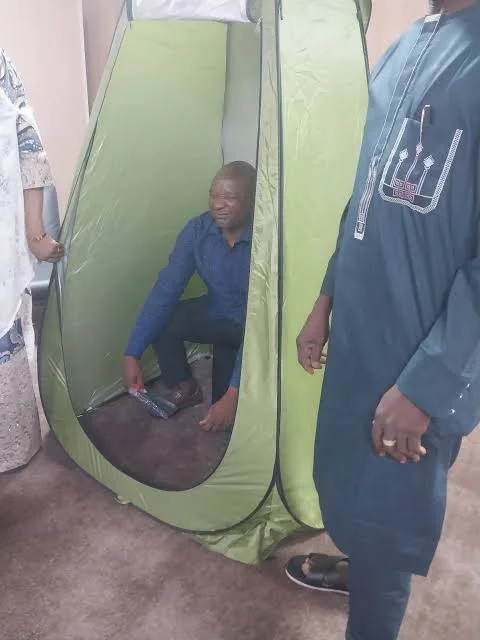
NASARAWA, Nigeria – The Nasarawa State Government has unveiled a mobile toilet initiative as part of efforts to curb open defecation and improve access to sanitation facilities across the state’s 13 Local Government Areas.
The Commissioner for Environment, Solid Minerals and Mining, Margaret Elayo, announced the initiative on Thursday during a media briefing ahead of World Toilet Day, marked annually on November 19. Elayo described open defecation as a serious public health and environmental concern, saying the state government was adopting a zero-tolerance approach to the practice under Governor Abdullahi Sule’s administration.
She said the government planned to distribute mobile toilets to selected locations and work with local governments, traditional rulers and community leaders to encourage communities to become open defecation-free. The commissioner also called for the construction and maintenance of safe public toilets in markets, motor parks, schools and health centres, with facilities designed to meet the needs of women, children and persons with disabilities.
Elayo said poor sanitation exposed communities to preventable diseases, including cholera and diarrhoeal illnesses, and appealed to community leaders to enforce sanitation guidelines in their areas. She also urged schools and teachers to strengthen hygiene education and ensure that toilet facilities were properly maintained.
Highlighting the consequences of inadequate sanitation, the commissioner described access to toilets as an issue of health, dignity and personal safety, particularly for women and girls who may face risks when forced to seek secluded places to relieve themselves. As part of the unveiling, Elayo presented a mobile toilet and recycling materials, saying the government intended to replicate the initiative in schools and other public locations.
She said the intervention would give particular attention to schools where the absence of adequate toilet facilities could affect girls’ safety, privacy and school attendance. The commissioner cited UNICEF data on the burden of unsafe water and sanitation in Nigeria, including the impact of diarrhoeal diseases and malnutrition on children.
Join the conversation