 Korede Abdullah
LAGOS, Nigeria – The Lagos State Traditional Medicine Board has called for greater investment in research, innovation, standardisation and regulation of traditional medicine, saying stronger support for the sector is essential to achieving Universal Health Coverage (UHC) in Nigeria and across Africa.
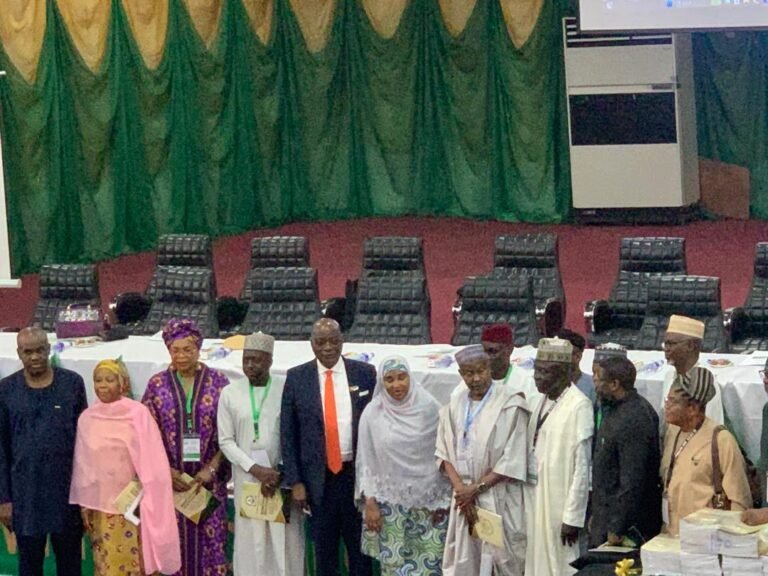
The appeal was made on Tuesday during the celebration of African Traditional Medicine Day at the NUT Pavilion in Alausa, Ikeja, where stakeholders gathered to discuss how indigenous healthcare can contribute more effectively to modern health systems.
Speaking at the event, the Registrar of the Lagos State Traditional Medicine Board, Prince Babatunde Adele, said Africa’s traditional medical heritage must be backed by scientific research and evidence-based practices to improve safety, quality and public confidence.
“The goal should be to transform Africa’s rich traditional medical heritage into safe, credible, evidence-informed and accessible healthcare solutions capable of contributing to Universal Health Coverage,” Adele said.
The event, themed “Reflection on Research and Development Efforts of Traditional Medicine Towards Achieving Universal Health Coverage in the African Region,” focused on strengthening collaboration among governments, researchers, healthcare professionals, traditional medicine practitioners, academia, industry players and development partners.
Adele said traditional medicine has served as a primary source of healthcare for generations but noted that greater investment is needed to document indigenous knowledge, validate medicinal products scientifically and develop appropriate regulatory frameworks.
Also speaking, the Permanent Secretary of the Lagos State Ministry of Health, Dr Dayo Lajide, described African Traditional Medicine Day as an opportunity to recognise the continent’s rich medical heritage while exploring practical ways of strengthening healthcare delivery.
“With adequate research, innovation, regulation and collaboration among stakeholders, traditional medicine could play a more significant role in strengthening healthcare delivery and improving access to health services,” he said.
About the Author


 Oluwatobi Adu

 Hope Ajayi