 Oluwatobi Adu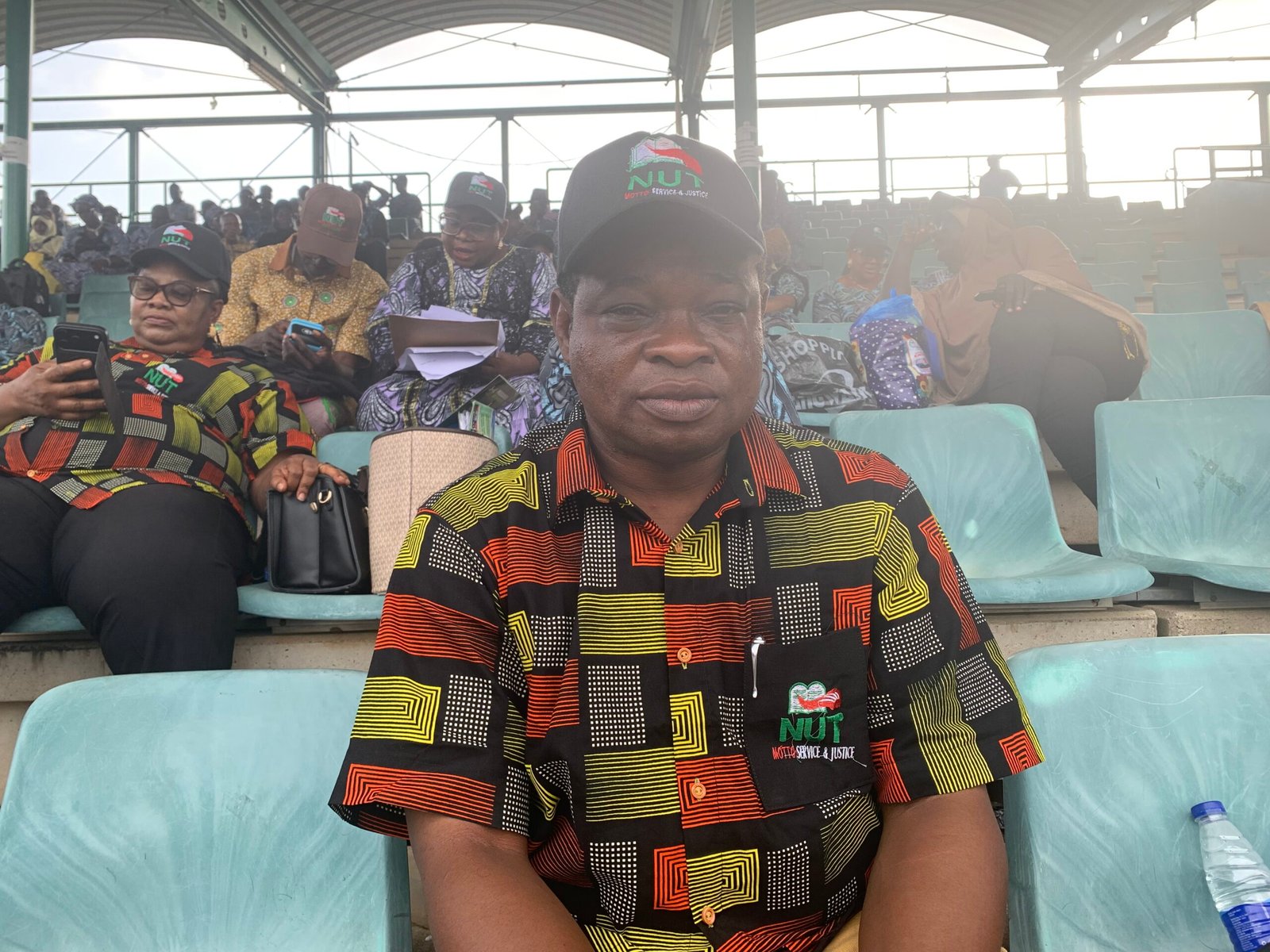
Treasurer, Nigeria Union of Teachers (NUT), FCT Wing, Comrade Mamud Ameh
ABUJA, Nigeria – Some teachers in the Federal Capital Territory (FCT) have spent more than a decade on the same grade level because promotions depend on available vacancies, the Treasurer of the Nigeria Union of Teachers (NUT), FCT Wing, Comrade Mamud Ameh, has alleged.
Ameh made the allegation in an exclusive interview with Africa Health Report on Monday, while explaining the grievances behind the ongoing indefinite strike by teachers and other workers in the territory.
The strike began on October 7 after the FCT Council of the Nigeria Labour Congress (NLC) declared an indefinite industrial action over unresolved workers’ demands.
Ameh identified delayed promotions, the alleged punitive reassignment of education officials and disputes over the implementation of the Harmonised Retirement Age for Teachers Act, 2022, as key issues behind the dispute.
He said the unions embarked on the strike after attempts to resolve the issues through dialogue failed. “The strike becomes the last option after failing to meet up with avenues of dialogue that the union is open to from the government,” he said.
Promotion Delays Leave Teachers Stagnant
Ameh criticised the requirement for available vacancies before teachers can advance to higher grade levels, arguing that eligible workers should not be denied promotion after meeting the stipulated requirements.
He alleged that teachers seeking advancement from Grade Levels 13 to 14, 14 to 15, 15 to 16 and 16 to 17 had been excluded from the ongoing promotion timetable. “A teacher will be on a particular grade level for over ten years. Is it done anywhere?” he asked.
According to Ameh, prolonged stagnation has affected teachers’ morale and earnings amid rising living costs. He warned that the system could also discourage people from entering the teaching profession.
The NLC has demanded that teachers who became eligible for promotion in 2025 be allowed to sit their promotion examinations before or alongside candidates eligible in 2026.
Union Alleges Punitive Reassignments
Beyond promotion delays, Ameh accused the FCT Administration of using transfers and other administrative measures to punish education officials who raised concerns about their working conditions.
He alleged that some principals and senior education officials had been reassigned to classroom teaching after speaking out against decisions affecting them.
Although he acknowledged the government’s authority to transfer workers, he insisted that such decisions should follow established procedures and respect the experience of senior officials.
The NLC has also demanded the withdrawal of redeployment and demotion letters issued to directors who benefited from the Harmonised Retirement Age for Teachers Act, 2022.
The union is further seeking the reinstatement of the management teams of the FCT Universal Basic Education Board (UBEB) and the FCT Secondary Education Board (SEB).
Ameh questioned the implementation of the retirement-age legislation, arguing that administrative guidelines should not override a law designed to protect teachers’ interests.
NUT Denies Strike Is Politically Motivated
Ameh rejected the FCT minister’s reported claim that the strike was politically motivated, maintaining that the action centred on teachers’ welfare and career progression. “Our demands have nothing to do with politics. When a worker asks that, please promote me as and when due, has that anything to do with politics?” he said.
On October 12, the NLC FCT Council also rejected the minister’s characterisation of the strike, citing unresolved issues involving promotions, workers’ welfare and the treatment of education officials.
Ameh also disputed reports that some public schools remained open because the Academic Staff Union of Secondary Schools (ASUSS) had not joined the strike.
He questioned the association’s status and position on the industrial action, alleging that the FCT Administration’s engagement with the group could divide teachers. His claims about ASUSS’s registration status and the closure of public schools across the territory were not independently verified.
The dispute has also exposed conflicting directives from education authorities and labour unions.
On October 8, the FCT UBEB directed teachers to disregard the strike and resume work. The NUT, however, instructed teachers in public primary and secondary schools to remain at home in compliance with the NLC’s directive.
ASUSS distanced itself from the industrial action, describing it as premature.
Union Rejects ‘No Work, No Pay’ Threat
Ameh acknowledged that striking teachers would make financial sacrifices but maintained that the action was necessary to secure better working conditions for current and future educators. “We are ready to pay the sacrifice, pay the price for a better welfare of the teachers of today and tomorrow,” he said.
He also rejected the threatened enforcement of the “no work, no pay” policy against striking workers, arguing that the union considered the industrial action legitimate.
On October 12, the NLC and NUT leadership in the FCT challenged the proposed enforcement of the policy, describing it as unlawful. However, the unions’ position does not establish a definitive judicial determination of how the policy applies to the strike.
The dispute remains centred on promotion opportunities, the treatment of education officials and the implementation of teachers’ retirement provisions, with the unions maintaining that these issues must be resolved before the strike can end.
About the Author


 Hope Ajayi
 Korede Abdullah