
 Hope Ajayi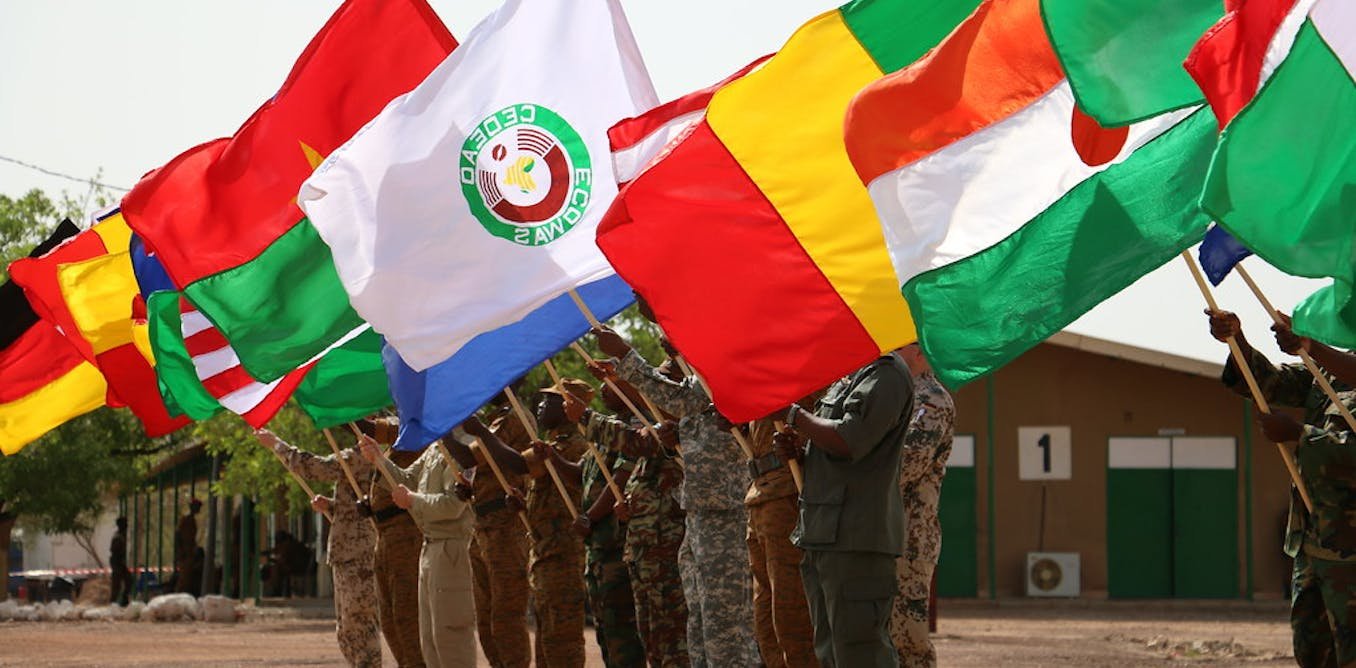
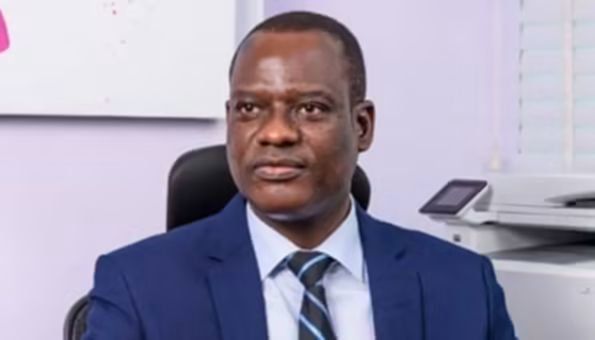
ABUJA, Nigeria – The ECOWAS Sahel relations agenda will remain a priority for the regional bloc despite the withdrawal of Mali, Burkina Faso and Niger, newly appointed ECOWAS Commission President Birame Diop has said.
Speaking during the formal handover ceremony at the ECOWAS headquarters in Abuja on Monday, Diop pledged to strengthen dialogue and cooperation with the three countries, which recently exited the bloc to establish the Alliance of Sahel States (AES).
He said the regional organisation must reinforce internal unity while maintaining constructive engagement with its former members, stressing that geography, shared security concerns and economic interests make continued collaboration unavoidable.
“We have no other choice. Our brothers, our neighbours, our comrades have left us, but geography remains the same,” Diop said.
The ECOWAS Commission President noted that the bloc and the Alliance of Sahel States share approximately 5,250 kilometres of common borders, making cooperation essential in addressing cross-border security and development challenges.
According to him, terrorism, violent extremism, irregular migration, organised transnational crime and environmental pressures remain common threats that require coordinated responses irrespective of political differences.
Diop assumed office after his appointment was endorsed by ECOWAS Heads of State and Government during the bloc’s 69th Ordinary Session held in July.
At the handover ceremony, outgoing Commission President Dr Omar Touray described the leadership transition as evidence of the institution’s resilience, stressing that regional organisations must remain stronger than the individuals who lead them.
Touray highlighted achievements recorded during his tenure, including progress in regional infrastructure, electricity interconnection projects, transport corridors, trade facilitation and economic integration.
He also cited preparations for the planned launch of the ECO single currency in 2027, alongside programmes supporting food security, youth development, women’s empowerment, education and vocational skills.
According to Touray, the recent West African Rice Investment Roundtable generated an investment pipeline worth approximately $1.54 billion, reflecting continued investor interest in regional agricultural development.
President Bola Ahmed Tinubu, represented by the Minister of State for Foreign Affairs, Ambassador Sola Enikanolaiye, urged the new leadership to prioritise regional integration, peace, security and financial accountability.
He reaffirmed Nigeria’s commitment to ECOWAS and called for greater transparency in managing the organisation’s affairs.
Tinubu also encouraged the Commission to build what he described as “an ECOWAS of citizens and not of governments,” emphasising that regional integration should deliver tangible benefits to the people of West Africa.
About the Author

 Mirian Gom
 Korede Abdullah
 Oluwatobi Adu