Hussaini Ibrahim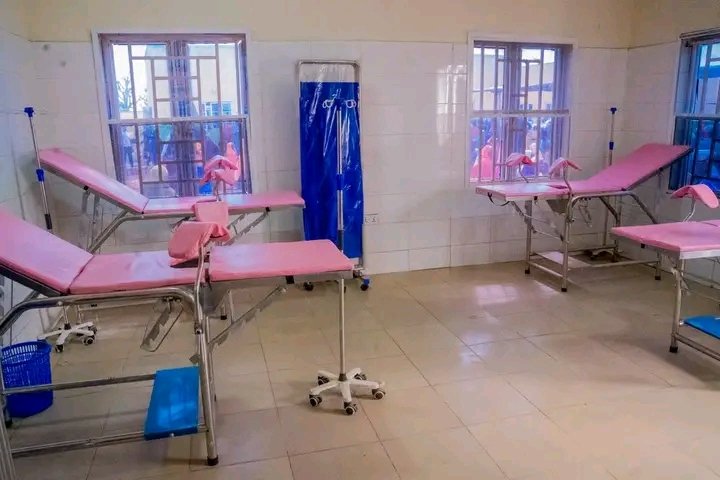
KATSINA, Nigeria – Katsina State Governor Dikko Umaru Radda has commissioned the Dandume General Hospital, the first of its kind in Dandume Local Government Area, as part of efforts to expand access to quality healthcare and improve medical services in underserved communities.
According to a statement issued on Thursday by the Chief Press Secretary to the Governor, Ibrahim Kaula Mohammed, the project is a direct response to requests made by residents during one of the governor’s visits to the area.
Speaking at the inauguration, Radda says the completion of the Dandume General Hospital demonstrates his administration’s commitment to delivering people-centred development projects.
“A promise made is a promise kept. We assured the people of Dandume that they would have a standard General Hospital, and today, by the grace of Allah, we have fulfilled that promise. This facility belongs to the people, and we pray that it serves generations to come.”
The governor reveals that all healthcare personnel required to operate the hospital have already been recruited, with many junior employees drawn from Dandume Local Government Area to create employment opportunities and strengthen community ownership.
He reiterates that healthcare, education, agriculture and infrastructure remain central to his administration’s development agenda.
Radda also calls on residents to support ongoing efforts to combat insecurity by cooperating with security agencies and providing credible intelligence.
“The fight against insecurity requires collective responsibility. Criminals cannot operate without local support. I therefore urge everyone to cooperate with security agencies by reporting suspicious activities and denying criminals every form of assistance.”
Commissioner for Health Musa Adamu Funtua describes the project as another significant achievement in Katsina State’s efforts to improve healthcare delivery.
He says the hospital reflects the government’s determination to expand access to affordable, quality and people-centred healthcare, particularly for rural communities that previously lacked adequate medical facilities.
About the Author


 Oluwatobi Adu