Korede Abdullah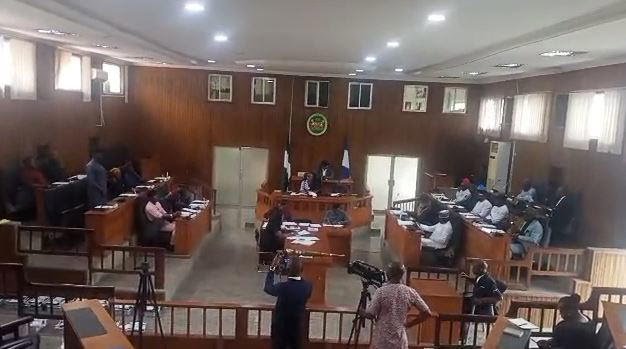
CALABAR, Nigeria – The Cross River Health Quackery Bill has passed its third reading in the State House of Assembly, paving the way for tougher regulation of healthcare services and stricter action against unqualified medical practitioners.
Lawmakers unanimously approved the legislation on Wednesday after adopting the report of the House Committee on Health, Nutrition and Food Security during plenary.
The bill, sponsored by Deputy Leader and member representing Abi State Constituency, Davies Etta, seeks to eliminate unlicensed medical practice, strengthen oversight of healthcare providers and protect residents from fake health practitioners.
Presenting the committee’s report, Chairman of the House Committee on Health, Nutrition and Food Security, Hillary Bisong, said the legislation became necessary because of the increasing activities of unqualified practitioners across the state.
“The bill seeks to eliminate unlicensed medical practice, improve regulation of the health sector and safeguard the lives of Cross River residents,” Bisong said.
He disclosed that the committee organised a public hearing attended by healthcare professionals, civil society organisations and members of the public, who overwhelmingly supported the proposed legislation.
According to Bisong, the rise in illegal medical practice has contributed to wrong diagnoses, poor treatment outcomes, avoidable deaths and declining public confidence in healthcare services.
He added that the committee expanded the proposed legislation from three parts and 10 sections to four parts and 15 sections to strengthen its provisions and ensure consistency with existing national laws regulating medical and allied health professions.
During debate, lawmakers described the bill as a timely intervention, citing recent incidents involving unqualified individuals carrying out medical procedures as evidence of the urgent need for stronger regulation and enforcement.
Speaker of the House Elvert Ayambem described the legislation as one of the most significant private members’ bills introduced by the 10th Assembly.
“It is one of the landmark private members’ bills of the 10th Assembly,” Ayambem said, adding that it reflects the Assembly’s commitment to enacting people-centred laws that protect public health.
About the Author

 Mirian Gom