Edino Chubiyo Cornelius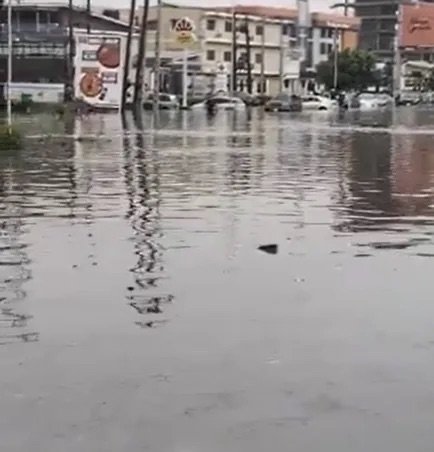
CALABAR, Nigeria – The Cross River flooding that submerged homes, displaced residents and reportedly claimed two lives this week was worsened by indiscriminate waste disposal and blocked drainage channels, the National Emergency Management Agency (NEMA) has said.
The warning followed Thursday’s flooding in Calabar Municipality and Calabar South Local Government Area after hours of heavy rainfall inundated several communities, leaving residents stranded and causing extensive property damage.
During an assessment of the affected areas on Friday, the Head of Operations at NEMA’s Uyo Operations Office, Aisueni Mmandu, urged residents to stop dumping refuse into drains and waterways.
She said plastic waste and other non-biodegradable materials routinely clog drainage systems, preventing the free flow of stormwater and increasing flood risks in vulnerable communities.
According to Mmandu, many recent flooding incidents could have been prevented through proper sanitation and responsible waste disposal practices.
She urged residents to use designated waste collection points and adopt cleaner environmental habits to reduce the impact of future floods.
Mmandu also announced plans to strengthen flood preparedness across Cross River State’s 18 local government areas through expanded public awareness campaigns, educational materials translated into local languages and closer collaboration with community leaders.
To improve emergency response, she proposed a multi-agency communication platform that would enable faster information sharing during disasters.
The Director-General of the Cross River State Emergency Management Agency, Efa Nyong, said relief materials would be distributed after officials’ complete assessments of affected homes and damaged property.
Also speaking, the Director of Flood and Erosion Control in the Cross River Ministry of Environment, James Ekabua, said several affected communities are located on natural flood plains, making them particularly susceptible to flooding during heavy rainfall.
He added that rapid urbanisation and blocked drainage infrastructure have further increased flood risks.
About the Author


 Mirian Gom