
When Feature Headline Abuja Exhaled: Inside Nigeria’s Capital as Christmas Silenced Its Roar
 Chukwu Obinna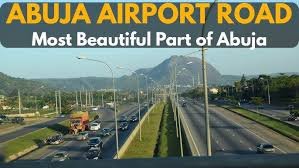
ABUJA, Nigeria – Abuja is built to move. On ordinary days, its arterial roads throb with impatient engines, its markets hum with bargaining voices, and its public spaces pulse with the restless rhythm of a capital city chasing deadlines. But in the final days of December 2025, Abuja did something rare. It slowed. It exhaled. And in that pause, the city revealed a quieter, more reflective self.
From December 22, the signs were unmistakable. Residents packed up and travelled to hometowns across Nigeria to reunite with family, celebrate Christmas and prepare for the New Year. Traffic thinned dramatically. Offices shut their doors. Familiar congestion points dissolved into open, almost startling emptiness. Abuja, usually alert and unrelenting, slipped into a festive hush. Yet this was not a shutdown. It was a suspension — a city resting while remaining awake. Chukwu Obinna, writes.
When the Rush Disappeared
The days leading to Christmas unfolded with unusual predictability. Mornings began calmly, followed by long hours indoors — writing, monitoring national developments, and exchanging online messages with colleagues scattered across the country. Stepping outside for routine errands felt like entering an alternate Abuja.
Major routes such as Airport Road and the Jabi axis, notorious for gridlock, were suddenly generous with space. Traffic lights changed for cars that never came. In neighbourhood markets, shutters stayed down. Traders had travelled, leaving behind only a skeletal presence of vendors selling foodstuffs and essentials.
The silence was not eerie; it was revealing. It underscored just how many residents of the Federal Capital Territory are migrants — civil servants, professionals and traders whose emotional centre of gravity still lies elsewhere. Christmas, once again, pulled them home.
Christmas Day on Open Roads
On December 25, the freedom of Abuja’s empty roads became tangible. A journey to the Nyanya–Maraba area to spend Christmas with family unfolded without stress or delay.
Public transport operators appeared unhurried, freed from the daily contest with congestion.
Roadside traders lined parts of the route, displaying fruits, drinks and snacks in quiet optimism, hoping to catch the attention of the few travellers still moving.
One striking development along the way was the newly completed lane of the expressway from Mopol Junction towards Keffi. For years, the stretch had been synonymous with gridlock and frustration. Now, the improvement offered smoother movement, safer driving and a glimpse of what sustained infrastructure investment could achieve. Although the second lane leading into Abuja remained under construction, the progress inspired cautious optimism that a long-standing traffic nightmare might finally be easing.
Boxing Day: Leisure Without Pressure
Boxing Day arrived without fanfare but with possibility. For residents who stayed behind, December 26 became a day for light recreation rather than grand celebration. Time was spent with friends around the Nyanya axis, playing football and swimming, unburdened by schedules or deadlines.
Recreational centres opened their gates to modest crowds. Families, young people and small groups made use of the calm to unwind. The absence of urgency — so rare in Abuja — transformed leisure into something gentler, more deliberate. The city proved that even in reduced numbers, it could still offer space for rest and social connection.
Love, Laughter and a Wedding in Gwagwalada
By December 27, the festive calendar shifted towards social obligations. A friend’s wedding in Gwagwalada drew guests from across the city and beyond. Light traffic ensured smooth travel, allowing celebrations to begin on time — another holiday luxury Abuja rarely affords.
The ceremony underscored a familiar Nigerian truth: weddings do not pause for holidays. Event planners, caterers, musicians and decorators were fully engaged, demonstrating that parts of the hospitality and events industry remain active even when much of the city powers down. Love, after all, does not observe public holidays.
Youthful Escapes and Quiet Networking
As the year edged closer to its end, pockets of Abuja grew momentarily lively. On December 30, a visit to Magicland in Kukwaba, opposite the National Stadium, revealed how young people and professionals were using the holiday period.
The amusement park was not crowded, but it was alive. Visitors rode attractions, played games and struck up casual conversations. For many, staying back in Abuja was a deliberate choice — an opportunity to enjoy familiar leisure spaces without the usual crowds. Entertainment centres, though operating below capacity, played a quiet but vital role in keeping the city socially functional.
Crossing Over with Faith
The season culminated on December 31 with crossover night — a deeply symbolic moment for many Nigerians. Thousands gathered at the Dunamis International Gospel Centre headquarters along Airport Road, filling the vast space with prayers, songs and expectation.
Despite the late hour, organisation and security were tight. Worshippers gave thanks for surviving 2025 and voiced hopes for health, stability and opportunity in 2026. The service was not merely religious ritual; it was collective reassurance. In a country navigating economic pressure and uncertainty, faith remained a powerful anchor.
A City of Two Realities
Throughout the festive period, Abuja existed as two cities at once. One version was largely empty — offices locked, markets quiet, roads open. The other was intimate and communal, sustained by small gatherings, weddings, church services and recreational outings.
Those who travelled sought reconnection with roots and extended family. Those who stayed found calm, accessibility and a slower pace of life. Both experiences spoke to the same national instinct: to use the festive season for reconnection, whether with people, beliefs or self.
Commerce: Slowed, Not Silenced
Commercial activity declined sharply. Many traders closed shop, especially in major business districts and local markets. The usual intensity of buying and selling evaporated.
Yet essential services persisted. Along the Nyanya–Maraba corridor, a handful of traders remained open, serving residents who stayed back. Sales were modest, but the absence of competition offered a different rhythm — one defined by necessity rather than volume.
Calm Streets, Quiet Confidence
Security throughout the period remained largely uneventful. Reduced traffic lowered the risk of accidents, while large gatherings — weddings and religious events included — passed without incident. The calm suggested effective coordination between organisers and security agencies, reinforcing public confidence during a season that often tests order.
Traditions That Refuse to Fade
More than anything, the festive lull reaffirmed enduring Nigerian values. Family reunions, weddings and faith-based gatherings continued to shape the season. These traditions provided continuity, reminding residents that celebration is as much about reflection and renewal as it is about festivity.
Abuja at Rest, Hope Awake
What lingered most was the transformation itself. Abuja, the tireless capital, briefly resembled a resting town. The quiet spoke volumes about migration, identity and the pull of home. Yet signs of progress — from improved roads to peaceful large-scale gatherings — hinted at resilience and possibility.
As 2026 dawned, Abuja stirred again, preparing to reclaim its usual urgency. But for a fleeting moment, the city showed another face: calm, reflective and hopeful. It slowed down — and in doing so, reminded its people what it means to pause before moving forward.
About the Author


 Mirian Gom

 Korede Abdullah