


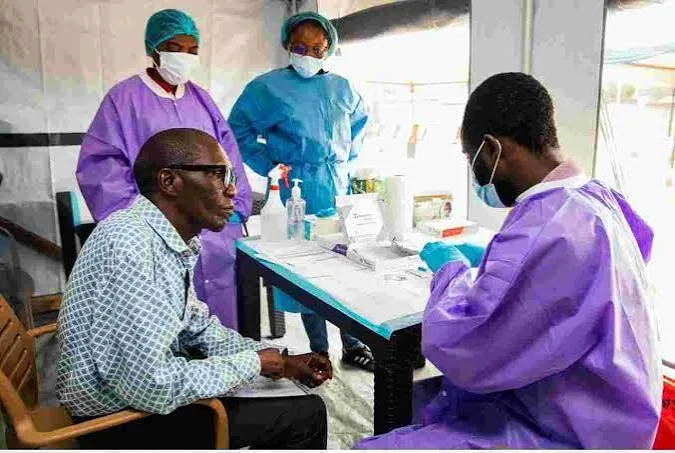
ABUJA, Nigeria – The Democratic Republic of the Congo (DRC) has begun a clinical trial of vaccine candidates against the Bundibugyo virus following an outbreak that has killed 4,602 people, according to figures reported as of October 21.
The Coalition for Epidemic Preparedness Innovations (CEPI) announced on Friday that the first participant had received a vaccination in the Phase 2/3 trial, named Tumaini, meaning “hope” in Swahili.
The vaccination took place in Bunia as the DRC battles what CEPI described as the largest recorded Bundibugyo virus outbreak and the second-largest Ebola outbreak on record.
The outbreak was declared on May 15, prompting the World Health Organisation (WHO) and the Africa Centres for Disease Control and Prevention (Africa CDC) to declare international and continental public health emergencies. By October 21, the country had recorded 9,552 confirmed cases and 4,602 deaths.
No approved vaccine currently targets the Bundibugyo virus, making the trial a critical step towards establishing whether candidate vaccines can protect people against the disease.
The trial will use a ring-vaccination approach, targeting people at high risk of infection because of their contact with confirmed cases.
CEPI Chief Executive Officer Richard Hatchett said the absence of a licensed vaccine had left affected communities and frontline health workers without a specific vaccine-based protection option. “There is still no licensed vaccine against Bundibugyo virus, and the cost of that absence is being counted in the DRC every day, in lives lost and in health workers who go to work without protection,” he said.
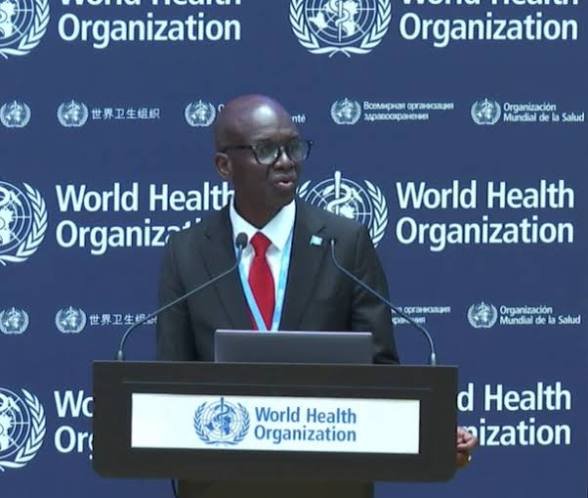
WHO Executive Director for the Health Emergencies Programme, Chikwe Ihekweazu, said the adaptive platform and ring-vaccination strategy would help researchers assess the candidates while supporting the ongoing outbreak response.





Join the conversation