


The World Health Organization is supporting Kenya’s response after the country confirmed its first imported case of Bundibugyo virus disease, as authorities intensify surveillance and contact tracing to prevent further transmission.
WHO in a statement on Tuesday said Kenya has strengthened response coordination, case investigation, contact monitoring, screening at high-risk points of entry and risk communication following the confirmation.
The patient, a Kenyan citizen who had been living in the Democratic Republic of the Congo (DRC), became ill while in the country before travelling through Uganda to Kenya.
The patient travelled by road from Beni in the DRC to Kampala on 2 October and flew to Nairobi on 3 October. After arrival, the patient was taken to hospital and isolated, with samples testing positive for Bundibugyo virus at both Kenya’s National Virology Reference Laboratory and the Kenya Medical Research Institute.
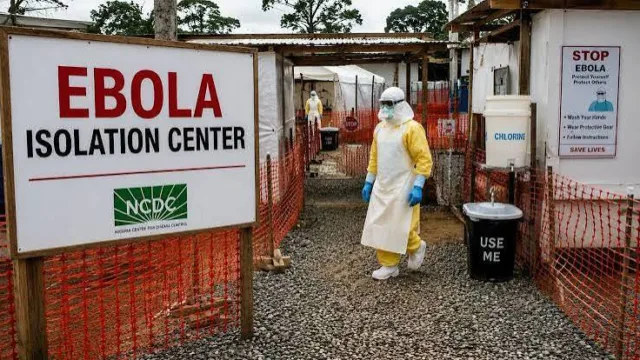
The patient died on 5 October and was buried the following day under Kenya’s Ebola safe and dignified burial protocol.
Kenyan authorities have listed 28 contacts, including family members and healthcare workers who cared for the patient. They are also tracing 23 passengers and four crew members who travelled on the same flight.
“Health emergency preparedness gives us a head start. Kenya has put important outbreak control measures in place,” said Dr Mohamed Janabi, WHO Regional Director for Africa. “The priority now is to move swiftly to detect any further cases before the virus has an opportunity to spread,” he added.
WHO said Kenya had screened more than 652,000 travellers entering the country, tested 267 suspected samples and trained about 5,000 health workers on Ebola prevention and management as of 6 October.

Join the conversation