
 Chukwu Obinna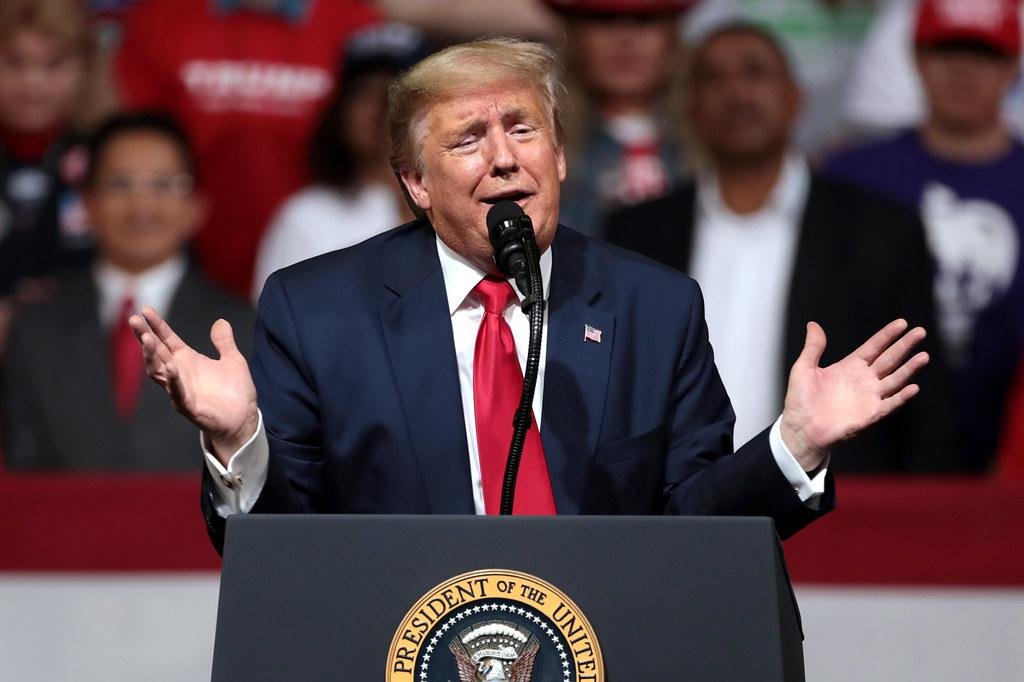
US President, Donald Trump
ABUJA, Nigeria – The United States imposes sweeping new travel restrictions on Nigeria and 14 other countries, with President Donald Trump citing national security threats, terrorism concerns and persistent failures in border screening and information-sharing.
In a proclamation signed on Tuesday, the White House says the affected countries demonstrate “severe deficiencies in screening, vetting and cooperation”, creating vulnerabilities in the US immigration system.
Nigeria faces heightened scrutiny due to the continued presence of extremist groups. The proclamation explicitly references Boko Haram and Islamic State affiliates, stating that “radical Islamic terrorist groups operate freely in certain parts of Nigeria, creating substantial screening and vetting difficulties”.
The administration also flags visa compliance failures. Officials overstay data show Nigeria records a 5.56 per cent overstay rate for B-1/B-2 visas and 11.90 per cent for F, M and J student and exchange visas, figures the White House describes as “unacceptably high”.
“These measures are necessary to protect the United States from national security and public safety threats,” the White House says, though it stops short of detailing the exact scope of the restrictions.
Other countries affected include Angola, Senegal, Tanzania, Zambia, Benin, Côte d’Ivoire, The Gambia and Zimbabwe, among others.
The move signals a major escalation in US immigration policy and draws comparisons with travel bans imposed during Mr. Trump’s previous term. Analysts say the lack of clarity surrounding implementation may create uncertainty for travelers, students and businesses with cross-border ties.
Diplomatic reactions are expected as affected governments seek exemptions or clarifications amid concerns over economic and people-to-people impacts.
About the Author

 Oluwatobi Adu
 Edino Chubiyo Cornelius
 Otamere Gladness
 Hussaini Ibrahim