
Placenta-Derived Tissue May Aid Erectile Recovery After Prostate Surgery
 Mirian Gom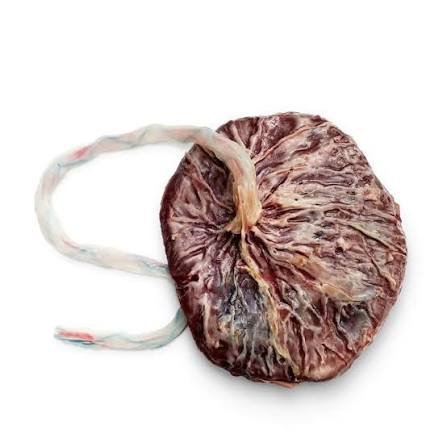
ABUJA, Nigeria — Researchers are investigating whether placenta-derived tissue can help men recover erectile function faster after prostate cancer surgery.
The experimental treatment involves placing a biological membrane from donated placental tissue around nerves that control erections during prostate removal surgery.
Erectile dysfunction is a recognised complication of radical prostatectomy. The procedure can affect the nerves and blood vessels needed for erections, even when surgeons attempt to preserve them.
According to the National Cancer Institute, placental tissue wraps are being investigated as a way to support nerve healing and potentially shorten recovery time.
Researchers believe these tissues may help repair damaged tissue and reduce inflammation around the nerves. However, erectile function does not always return immediately after nerve-sparing surgery, and recovery varies among patients.
A Johns Hopkins University trial investigated lyopreserved placental tissue placed around preserved nerves during robotic prostate surgery. The study aimed to measure erectile function and quality of life compared with standard care. However, the trial was later listed as terminated.
Meanwhile, a Phase 2 trial at the University of Miami is evaluating a dehydrated human amnion-chorion membrane placed around the nerves after robotic prostate surgery. Researchers aim to determine whether the treatment improves erectile and urinary function.
Earlier studies have reported faster functional recovery among some men who received placental-derived tissue grafts. However, much of the available evidence comes from retrospective studies and relatively small clinical investigations.
A literature review published in Urology also found evidence suggesting that placental-derived grafts may speed up functional recovery after radical prostatectomy. The authors called for further research to confirm the findings.
Researchers still need to establish how consistently the treatment improves erectile function, how long any benefits last and which patients are most likely to benefit. They must also assess potential risks and additional costs.
For now, placenta-derived tissue remains an experimental approach, not an established treatment for erectile dysfunction after prostate cancer surgery. Further clinical trials are needed to determine its safety and effectiveness.
About the Author


 Hope Ajayi


 Korede Abdullah