
Bite-Sized Survival: How Inflation Is Driving Nigeria’s Fast-Food Boom
 Koko Maxwella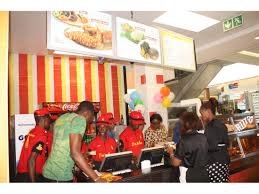
ABUJA, Nigeria – Nigeria’s fast-paced urban centres—Abuja, Lagos and Port Harcourt—a subtle but significant shift is reshaping dining culture, as rising inflation and demanding work schedules push consumers away from traditional restaurants towards fast food, where affordability, speed and convenience now define everyday eating; what was once a matter of choice has become a necessity, reflecting deeper economic pressures and changing lifestyles, Koko Maxwella, writes.
Economic Pressure Reshaping Nigeria’s Dining Choices
Across Nigeria’s major cities, fast food outlets—once considered casual dining options—have become central to everyday life. From fried rice and chicken combos to roadside shawarma stands, these quick-service businesses are attracting a growing number of customers, while traditional sit-down restaurants struggle to maintain steady patronage.
This shift reflects a broader economic reality. With inflation driving up food prices and reducing disposable income, many households are becoming more deliberate about spending. Eating out, once routine for some urban dwellers, is now a carefully weighed decision.
Why Nigerians Are Choosing Fast Food Over Restaurants
Affordability remains the most decisive factor. Fast food offers lower-cost meals that still provide satisfaction, making it the preferred option for workers, students and families navigating tighter budgets.
Equally important is convenience. In fast-paced cities, many people lack the time for prolonged dining experiences. Fast food outlets provide quick service, predictable pricing and easy access, often located near offices, schools and transport hubs.
Time, Access and Urban Lifestyle Influence Food Trends
Urbanisation is accelerating the demand for quick-service meals. With longer working hours and increased commuting time, consumers are prioritising speed and accessibility over ambience and experience.
Fast food outlets are strategically positioned to meet this demand, offering grab-and-go options that align with modern lifestyles. For many Nigerians, the ability to eat quickly and move on with their day has become essential.
Fast Food Businesses Thrive on Volume and Consistency
Operators in the fast-food sector say their business model is built around high turnover. Despite rising costs of ingredients, transportation and packaging, they remain competitive by serving a large number of customers daily.
Consistency also plays a key role. Customers know what to expect in terms of price, portion and waiting time, allowing them to plan their spending more effectively—an advantage traditional restaurants often cannot match.
Traditional Restaurants Struggle with Rising Costs
For owners of classic restaurants, maintaining operations has become increasingly challenging. Higher expenses—ranging from rent and staffing to electricity and quality ingredients—make it difficult to compete with the lower pricing of fast-food outlets.
As a result, many customers now reserve traditional dining for special occasions such as celebrations, meetings or weekend outings, rather than everyday meals.
Global Trends Mirror Nigeria’s Fast-Food Shift
The growth of fast food is not unique to Nigeria. Globally, the industry continues to expand, driven by similar factors—affordability, convenience and urban living. However, Nigeria’s economic pressures have intensified this shift, making fast food an everyday necessity rather than just a lifestyle choice.
Inflation and Cost of Living Drive Consumer Behaviour
Rising fuel prices, transportation costs and general living expenses are significantly influencing consumer decisions. As disposable income shrinks, Nigerians are prioritising essential spending, and fast-food fits more comfortably within limited budgets.
This behavioural shift highlights a broader economic pattern where consumers move away from premium services towards practical alternatives during periods of financial strain.
Fast Food vs Fine Dining: Experience or Survival?
While traditional restaurants still offer superior ambience, personalised service and diverse menus, these advantages are increasingly outweighed by cost considerations.
For many Nigerians, dining is no longer about experience alone—it is about survival. Fast food meets the immediate need for affordable and accessible meals, making it the dominant choice in today’s economy.
The Future of Nigeria’s Restaurant Industry
Unless economic conditions improve, fast food outlets are likely to continue dominating daily dining. Traditional restaurants may need to adapt by redefining their value—focusing on niche experiences, flexible pricing or hybrid service models.
For now, the message is clear: in Nigeria’s evolving food landscape, convenience and affordability are not just influencing choices—they are defining them.
About the Author


 Oluwatobi Adu

 Hope Ajayi