
NAFDAC Raids Abuja Market, Seizes Alcoholic Drinks, Other Products Worth Over ₦300m
 Mirian Gom
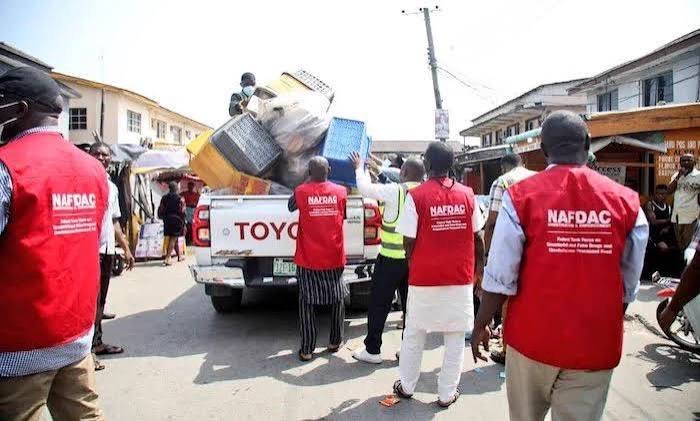
ABUJA, Nigeria – NAFDAC has intensified enforcement of restrictions on alcoholic beverages packaged in sachets and containers below 200ml, screening more than 160 shops and seizing products estimated at over ₦300 million during a raid at Zuba International Market in the Federal Capital Territory.
The operation, conducted on Thursday in collaboration with the Nigeria Police Force and Department of State Services (DSS), targeted the sale and distribution of prohibited alcoholic drinks, counterfeit products, unregistered wines and other potentially unsafe consumer goods.
The Head of the Investigation and Enforcement Division, North-Central Zone, Babatunji Omoyeni, said the operation followed intelligence reports about the continued circulation of restricted alcoholic beverages in the market. He said the enforcement team had been monitoring the area before carrying out the early-morning operation with support from security agencies.
Omoyeni said the action was intended to protect public health and limit children’s exposure to alcoholic beverages, particularly products sold in small, inexpensive containers.He also warned about the potential health consequences of consuming counterfeit and substandard products, including serious complications affecting vital organs.
According to him, NAFDAC’s restriction on the production and distribution of alcoholic beverages below 200ml remained in force, with the agency committed to monitoring compliance across the supply chain. During the raid, enforcement officers reportedly discovered large quantities of prohibited alcoholic drinks in several warehouses, alongside other consumer products, some of which had expired.The operation represents the second phase of NAFDAC’s enforcement campaign against restricted alcoholic beverages.
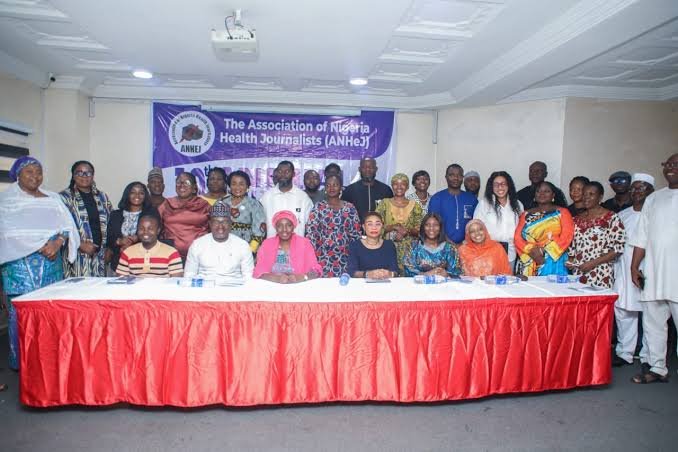
Speaking earlier at the 10th Annual Health Conference of the Association of Nigerian Health Journalists in Abuja, an official of the agency’s Investigation and Enforcement Directorate, Musa Godiya, said the first phase focused on manufacturing facilities, while the current phase targeted markets, retail outlets and distribution channels.
About the Author


 Korede Abdullah