LAWMA Intensifies Waste Collection Across Lagos During Festive Surge
 Korede Abdullah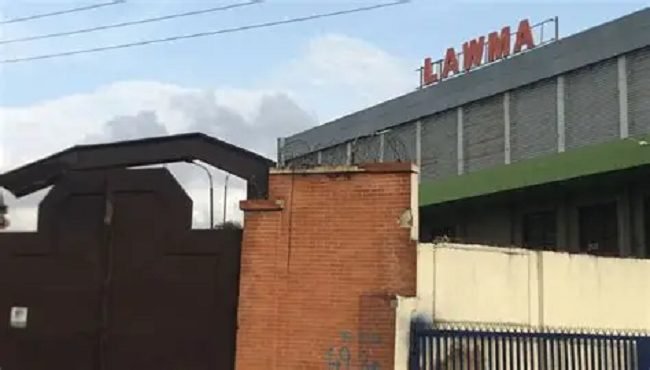
LAGOS, Nigeria – The Lagos Waste Management Authority (LAWMA) intensifies statewide waste collection and sanitation operations across its 11 operational regions to maintain environmental cleanliness during the festive season.
The intensified exercise spans Lagos State’s three senatorial districts, with prompt waste lifting at bin locations to prevent overflow and public health risks. LAWMA’s Managing Director, Dr Muyiwa Gbadegesin, confirms that the enhanced deployment ensures uninterrupted service delivery across residential, commercial and event-heavy areas.
“Every part of the state benefits from improved waste management services, with immediate attention given to all bin locations to prevent environmental nuisance,” Gbadegesin says.
He explains that the authority adopts a proactive strategy involving regular waste lifting and bin interchange to prevent accumulation before trucks return from dumpsites.
“Regular lifting prevents overspilling, while filled bins are replaced through interchange, ensuring waste does not accumulate on the ground,” he adds. “This approach maintains service reliability and reinforces public confidence during peak periods.”
Beyond routine operations, LAWMA provides sanitation support for major cultural activities, including the recently concluded Eyo Festival. According to Gbadegesin, waste management teams work before, during and after the event to restore cleanliness around the venue and adjoining streets.
“During the Eyo Festival, LAWMA works diligently to render the venue and its environs sparkling clean,” he says.
Operational efficiency also improves at the Olusosun landfill, where infrastructure upgrades reduce truck turnaround time.
LAWMA workers maintain round-the-clock operations between December 24 and 28 to meet increased waste volumes.
“This commitment reflects our mission to safeguard public health and environmental sustainability,” Gbadegesin states.
Environmental analysts say the intensified operations underscore the authority’s growing capacity to manage urban waste amid Lagos’ rising population and seasonal surges, reinforcing the state’s broader sanitation and public health objectives.
About the Author

 Otamere Gladness
 Koko Maxwella
 Edino Chubiyo Cornelius