
Kaduna Has Only 1,600 Licensed Doctors as NMA Cites Insecurity, Poor Pay
 Korede Abdullah
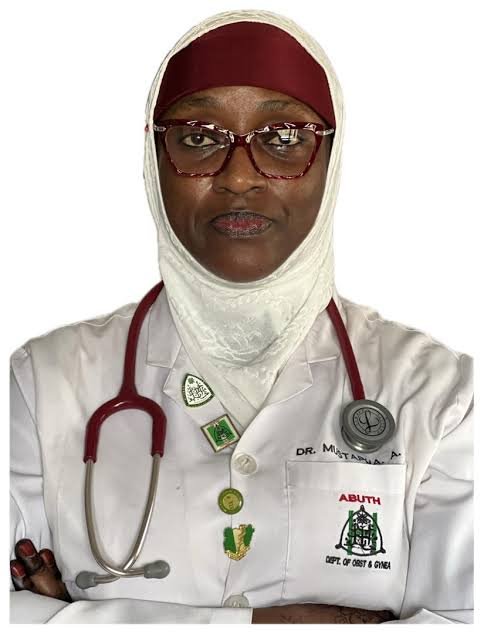
NMA Chairman, Kaduna State chapter, Dr. Aisha Mustapha
KADUNA, Nigeria – Kaduna State has about 1,600 licensed doctors, down from approximately 2,000 previously, as insecurity, poor remuneration and professional burnout continue to threaten the retention of medical personnel, the Nigerian Medical Association (NMA) has warned.
The chairman of the NMA in Kaduna State, Dr Aisha Mustapha, disclosed this on Monday at a press conference ahead of the 2026 National Physicians’ Week, themed “Securing the Future of Medicine in Nigeria.”
Mustapha said the declining number of doctors was placing additional pressure on the state’s healthcare system, with approximately one physician serving 6,000 residents. “The number of doctors currently licensed to practise in Kaduna State is approximately 1,600. We used to have about 2,000, but because of all these challenges, the numbers keep declining,” she said.
She attributed the decline to several factors, including insecurity, inadequate remuneration, poor healthcare infrastructure, limited career progression and the pressures associated with demanding working conditions.
According to her, addressing these challenges is critical to retaining skilled professionals and ensuring that residents can access timely and quality medical care.
Mustapha called on the government to strengthen recruitment and retention measures, improve working conditions and harmonise doctors’ salaries to prevent disparities between health facilities.
Although she acknowledged efforts by the Kaduna State Government to improve doctors’ remuneration, she said further measures were needed to make public hospitals more attractive to medical professionals.
She also identified professional burnout as a concern, advocating adequate staffing, reasonable duty schedules, sufficient rest periods and access to healthcare and psychological support for doctors.
Mustapha said improving doctors’ welfare must go beyond salary increases to include safer working environments, functional healthcare facilities and opportunities for professional development. The concerns reflect broader pressures on Nigeria’s health workforce, where the migration of skilled professionals and difficulties retaining personnel have raised questions about the capacity of public health facilities to meet growing demand.
The NMA has urged governments to invest in healthcare infrastructure, improve working conditions and introduce sustainable policies to retain medical professionals.
About the Author