
 Mirian Gom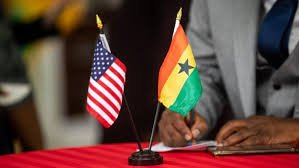
ACCRA, Ghana – Ghana has rejected a proposed bilateral health agreement with the United States, citing concerns over sensitive data-sharing requirements, in a move that highlights tensions in Washington’s evolving foreign aid strategy.
The deal, linked to the America First Global Health Strategy, would have provided up to $109 million in health funding over five years.
However, sources familiar with the negotiations on Tuesday said Ghanaian authorities declined to proceed after objecting to provisions requiring the sharing of sensitive health data.
The US State Department declined to comment on specific terms, stating only that it continues to seek ways to strengthen bilateral ties.
The development comes amid broader shifts in US foreign aid policy, including the dismantling of the United States Agency for International Development earlier this year.
Under the strategy, Washington has been pushing lower-income countries to take greater responsibility for funding programmes targeting HIV/AIDS, malaria, tuberculosis and polio.
Data shows the US disbursed $219 million to Ghana in 2024, including $96 million for health.
As of April, the US had signed 32 agreements globally under the new strategy, worth $20.6 billion.
Analysts say Ghana’s decision reflects growing resistance among countries wary of sovereignty concerns tied to aid conditionalities.
About the Author


 Korede Abdullah

 Oluwatobi Adu