



ABUJA, Nigeria – Africa Centres for Disease Control and Prevention and Aspen Pharmacare advance discussions on a long-term vaccine supply and manufacturing framework aimed at strengthening Africa’s pharmaceutical independence.
The talks, held on the sidelines of the Africa Forward Summit in Nairobi, focus on expanding sustainable vaccine manufacturing capacity and increasing access to locally produced vaccines across the continent.
Africa CDC says Africa still depends heavily on imported vaccines despite consuming more than one billion doses annually.
The proposed framework seeks to address supply imbalances by scaling up local production, improving procurement systems and boosting long-term investor confidence in African pharmaceutical manufacturing.
Under the discussions, both parties plan to prioritise vaccine antigens, gradually increase production capacity from tens of millions to hundreds of millions of doses annually and develop competitive pricing models aligned with global standards.
The framework also explores stronger procurement coordination and risk-sharing mechanisms through continental platforms, including the African Pooled Procurement Mechanism.
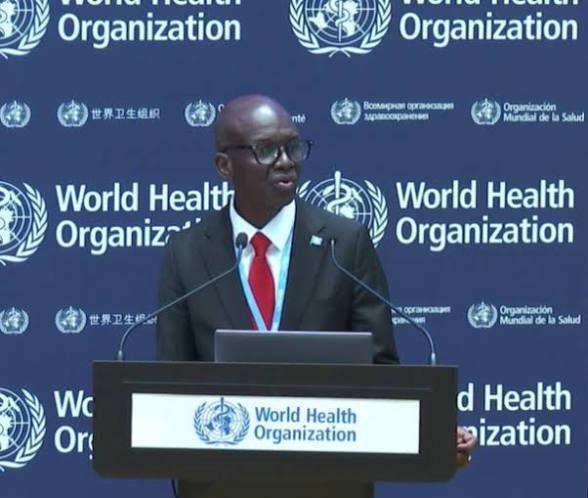
Director-General of Africa CDC, Jean Kaseya, says the discussions mark an important step towards securing Africa’s health future.
“These discussions with Aspen represent an important step toward translating Africa’s vaccine manufacturing ambitions into sustainable market realities,” Kaseya says.
He adds that Africa CDC remains committed to strengthening demand visibility and creating viable market opportunities for African manufacturers.
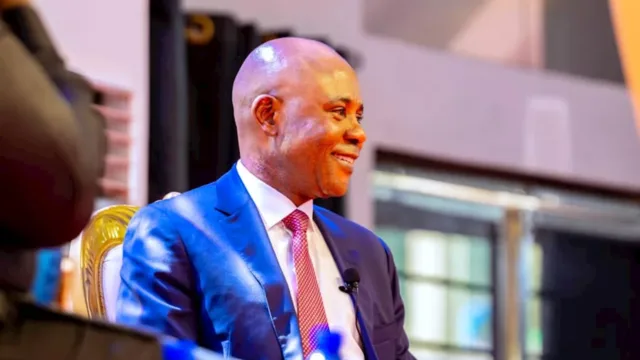
Group Chief Executive of Aspen Pharmacare, Stephen Saad, says the company is positioned to reduce Africa’s dependence on imported vaccines.
“We are able to make a meaningful contribution towards decreasing dependency on global imports,” Saad says.
He adds that Aspen’s manufacturing investments in Gqeberha, South Africa, enable large-scale vaccine production and distribution across more than 115 countries.



Join the conversation