
Nigeria Adopts New Nutrition Policy, Targets Malnutrition Crisis by 2035
 Mirian Gom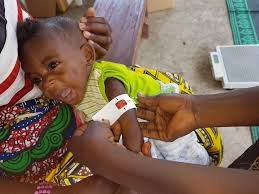
ABUJA, Nigeria – Nigeria has adopted a new National Policy on Food and Nutrition (2026–2035), with authorities pledging urgent action to tackle one of the world’s highest burdens of child malnutrition.
The decision was taken on Wednesday at the National Council on Nutrition meeting chaired by Vice President Kashim Shettima, who described the policy as the country’s most consequential nutrition framework to date.
“We will be judged not by our deliberations but by our deliveries,” Shettima said, emphasising measurable impact across all 774 local government areas.
The policy will now be transmitted to the Federal Executive Council for ratification through the Federal Ministry of Budget and Economic Planning.
Under the directive, all ministries and agencies must align their programmes within 12 months, while states are required to operationalise multisectoral nutrition plans within nine months.
Nigeria currently faces severe nutrition challenges, with data from UNICEF showing that 32% of children under five are stunted and about two million suffer severe acute malnutrition.
The council also approved a National Nutrition Bill aimed at securing long-term funding and shielding interventions from political cycles.
Officials said five funding streams—including domestic and private sector financing—have been identified to support implementation.
Experts say the policy could mark a turning point if fully implemented but warn that past failures have stemmed from weak execution rather than lack of strategy.
About the Author


 Korede Abdullah

 Oluwatobi Adu