Nigeria Targets 25m Tonnes of Maize Production to Boost Food Security
 Oluwafunbi Bello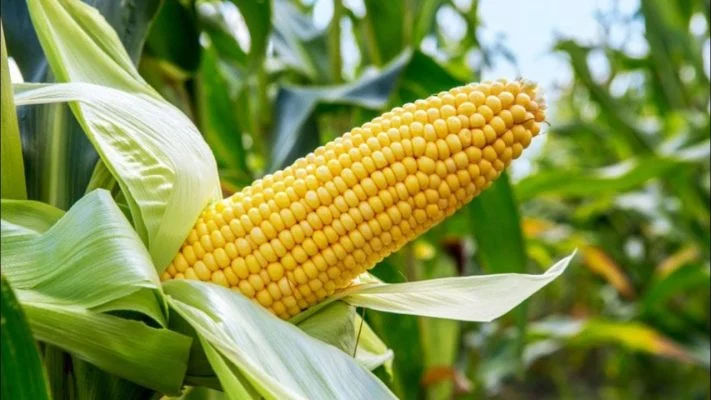
ABUJA, Nigeria -Nigeria must produce at least 25 million tonnes of maize annually to meet its domestic demand, the Federal Government has said, as it intensifies efforts to tackle food insecurity and reduce reliance on imports.
The Minister of State for Agriculture and Food Security, Senator Aliyu Abdullahi, disclosed this on Friday during a Quarterly Citizens and Stakeholders’ Engagement meeting in Abuja.
Abdullahi described the production target as a crucial step toward strengthening the country’s food system and ensuring that staple foods remain accessible and affordable to Nigerians.
According to him, the government has already begun to see positive results from interventions aimed at boosting domestic agricultural output.
“Our priority is to increase local production so that affordable and nutritious food is available to every Nigerian household,” he said.
The minister noted that recent government initiatives in the agricultural sector have contributed to significant reductions in the prices of some food commodities, with certain staples reportedly dropping by nearly 50 percent across markets nationwide.
He explained that the ministry is focusing on strengthening key value chains such as rice, maize and wheat, which are central to the country’s food security strategy.
Abdullahi added that expanding production in these sectors would also create economic opportunities for millions of smallholder farmers and agro-processing businesses across Nigeria.
He further said the agricultural reforms align with the Renewed Hope Agenda of President Bola Tinubu, which seeks to build a resilient food system and reduce import dependency.
“The objective is straightforward — Nigeria must produce what it consumes and consume what it produces,” he said.
The minister also urged state governments and agricultural stakeholders to collaborate more closely with federal programmes to accelerate implementation at the grassroots level.
He described the quarterly engagement forum as an important platform for dialogue between policymakers, farmers, development partners, and the private sector in addressing the country’s food security challenges.
About the Author


 Mirian Gom
 Korede Abdullah
 Oluwatobi Adu