Nigeria Launches First Immunotherapy Trial for Colorectal Cancer Patients
 Koko Maxwella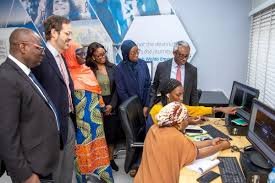
LAGOS, Nigeria – Nigerian medical researchers officially launch the country’s first immunotherapy clinical trial for advanced colorectal cancer, marking a watershed moment for cancer care in sub-Saharan Africa.
The Phase II trial was unveiled on Monday at the Lagos University Teaching Hospital (LUTH), bringing together Nigerian and international institutions to test cutting-edge treatment options for patients with limited survival prospects.
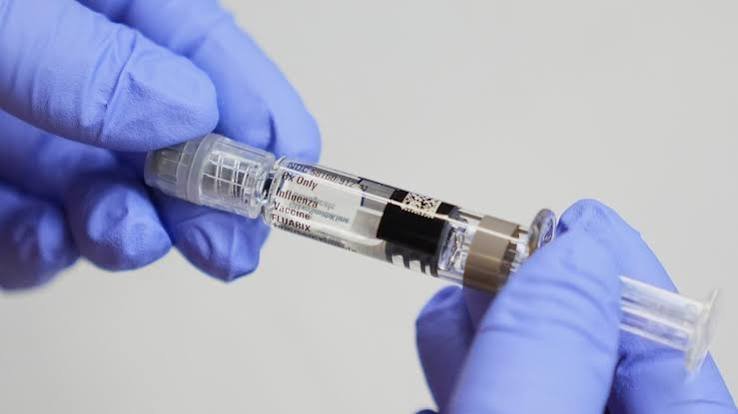
The study introduces immunotherapy, a treatment that activates the body’s immune system to attack cancer cells, in a region where chemotherapy has remained the dominant — and often ineffective — option.
Professor Olusegun Alatise of Obafemi Awolowo University, who also serves as National Director of the African Research Group for Oncology, says the initiative directly confronts Nigeria’s rising colorectal cancer burden.
“Fewer than half of Nigerian patients survive one year after diagnosis,” Alatise says. “For many, chemotherapy simply does not work.”
Researchers identify that nearly 30 per cent of Nigerian colorectal cancer patients have mismatch-repair deficient or MSI-high tumours — a genetic profile resistant to chemotherapy but highly responsive to immunotherapy.
The trial, titled PD-1 Blockade in Mismatch-Repair Deficient Colorectal Cancer in Nigeria, secures ethical and regulatory approval from the National Health Research Ethics Committee and the NAFDAC.
Patients will be enrolled at centres in Ile-Ife and Lagos, while the Memorial Sloan Kettering Cancer Center serves as sponsor and data coordinator.
Dr Peter Kingham of MSKCC says the collaboration aims to make quality cancer care universal. “Quality oncology care should not depend on geography,” he says.
Health leaders say the trial could redefine colorectal cancer treatment in Nigeria and beyond.
About the Author


 Mirian Gom