Nigeria Urged to Secure Medicines as Global Supply Shocks Loom
 Edino Chubiyo Cornelius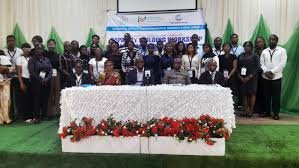
ABUJA, Nigeria – Nigeria must urgently strengthen domestic pharmaceutical capacity to safeguard medicine security, health experts warn, as lessons from COVID-19 disruptions expose the risks of import dependence.
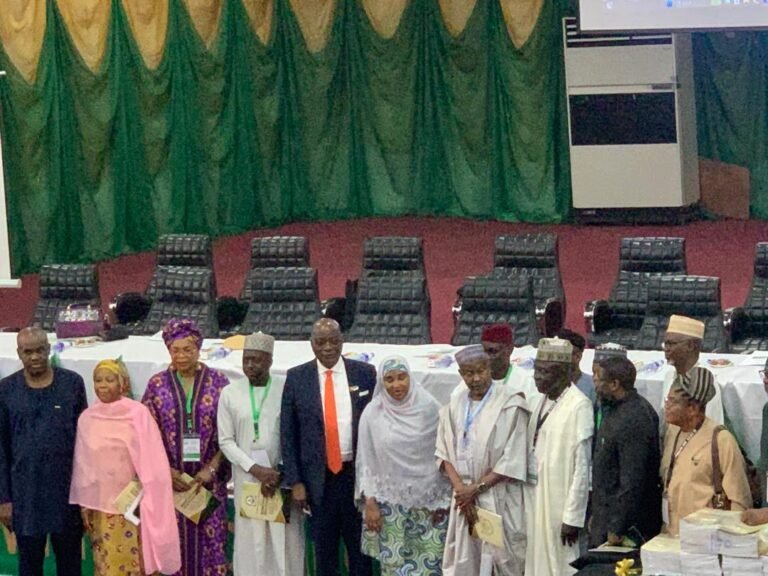
The Director-General of the National Institute for Pharmaceutical Research and Development (NIPRD), Obi Adigwe, made the call on Tuesday at a two-day capacity-building workshop in Abuja for 50 early-career researchers focused on local drug development and access to safe medicines nationwide.
Represented by Mboma Iheanyi, Adigwe says border closures during the COVID-19 pandemic reveal Nigeria’s vulnerability to global supply shocks, stressing that medical security must now become a national priority.
“Every nation shuts its borders during a crisis. We must think inwards and build solutions within our healthcare system,” he says.
The workshop, organised under the World Bank-supported IMPACT Project and Nigeria’s National Malaria Elimination Programme, aims to boost research capacity, improve regulatory compliance and strengthen collaboration between academia and industry.
Although malaria remains a focus, Adigwe notes the initiative extends beyond one disease, targeting counterfeit drug prevention through awareness and improved standards.
“When people understand the implications, it becomes difficult to engage in fake drugs,” he adds.
NIPRD’s IMPACT Lead, Mary Aboh, says the programme supports Nigerian medicines to meet World Health Organisation pre-qualification standards, improving safety and global competitiveness.
“Medicine security speaks to safety, availability and affordability,” she explains, warning that power outages and poor storage can degrade drug quality.
Participants say the training bridges research and real-world healthcare delivery, positioning young scientists as drivers of Nigeria’s pharmaceutical future.
About the Author


 Oluwatobi Adu

 Hope Ajayi