Chukwu Obinna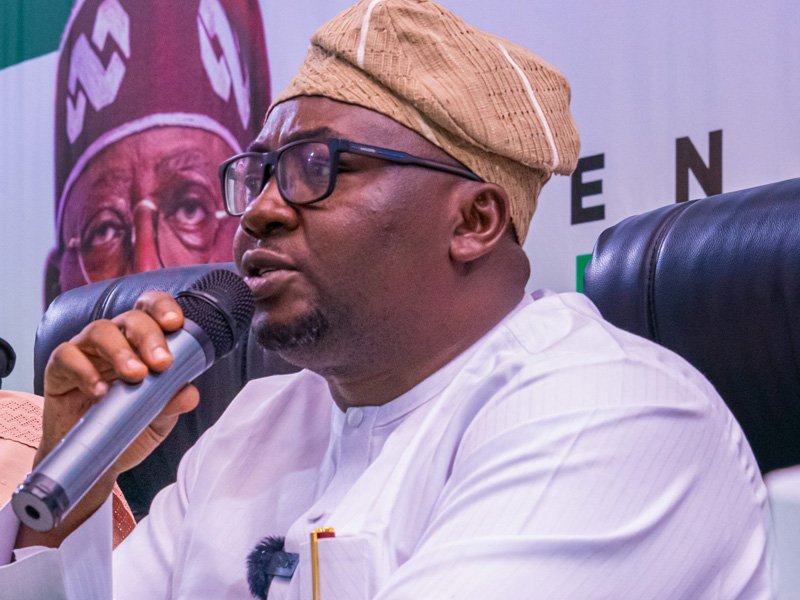
Minister of Power, Adebayo Adelabu
ABUJA, Nigeria – Nigeria’s Minister of Power, Adebayo Adelabu, has announced ambitious plans to ensure stable electricity supply for citizens in 2026, marking a renewed commitment to addressing the nation’s persistent energy challenges.
In a statement issued on Friday through Bolaji Tunji, his special adviser on strategic communications, Adelabu outlined the government’s determination to transform the power sector.
“Looking ahead, our focus remains unshakable: to deliver reliable, accessible and sustainable electricity to power our homes, industries and dreams,” the minister declared.
The announcement comes as Nigeria continues grappling with irregular power supply that has long hampered economic productivity and affected quality of life for millions of households.
Adelabu’s blueprint for 2026 includes several strategic priorities. The government plans to strengthen the national transmission grid while pursuing partnerships with electricity distribution companies to improve service delivery. Expanding meter coverage to underserved communities also features prominently in the ministry’s agenda.
The Light Up Nigeria initiative will target industrial and agricultural areas specifically, with the aim of stimulating economic growth and creating employment opportunities. Additionally, the ministry intends to deploy renewable energy solutions—particularly solar and hydroelectric power—to reach communities that remain off the grid.
Reviewing the previous year’s achievements, Adelabu pointed to progress made under the Presidential Power Initiative, the government’s collaboration with Siemens to modernize Nigeria’s electricity infrastructure. He suggested this partnership has contributed to fewer grid collapses compared to earlier periods.
“As Phase One of the PPI continues, we assure Nigerians of a strengthened grid that will make disturbances a thing of the past,” he stated.
The minister acknowledged public frustration with the power sector’s performance while appealing for continued support. “The journey ahead requires a united front,” Adelabu said, calling on government agencies, private sector players, communities, and individual Nigerians to back the reform process.
He urged citizens to protect electricity infrastructure and adopt energy conservation practices as part of their contribution to national development.
Whether these promises will materialize remains to be seen, given Nigeria’s long history of unfulfilled commitments regarding power sector reform. Previous administrations have made similar pledges without achieving lasting improvements to electricity supply.
About the Author


 Hope Ajayi
 Mirian Gom