
UNICEF Warns Nearly Three-Quarters of Nigerian Girls Lack Basic Skills
 Oluwatobi Adu
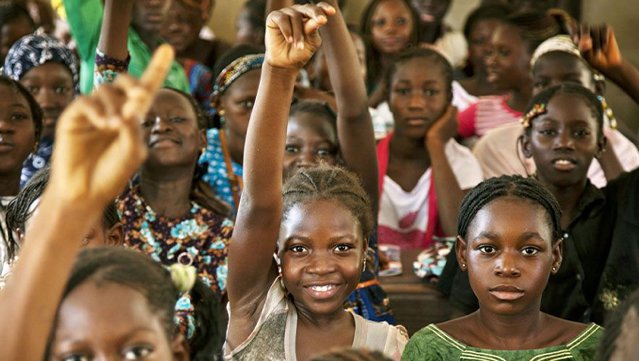
ABUJA, Nigeria – The United Nations Children’s Fund (UNICEF) has raised concern over foundational learning gaps among Nigerian girls, saying nearly three-quarters lack basic literacy and numeracy skills.
UNICEF Education Officer in Abuja, Blessing Afuwai, disclosed this on Monday during an event organised by the Federal Ministry of Education to mark the 2026 International Day of the Girl Child in Abuja.
Afuwai attributed the challenges facing girls’ education to poverty, insecurity, unsafe learning environments and harmful cultural practices, which can expose girls to child marriage, adolescent pregnancy and gender-based violence.
She warned that girls who are denied access to education and opportunities to develop relevant skills face reduced prospects for employment, economic empowerment and participation in society. “When girls are denied opportunities to learn and develop skills, their prospects for employment, economic empowerment and meaningful participation in society are significantly diminished,” she said.
The UNICEF official called on the government, communities and development partners to address barriers preventing girls from accessing quality education. She stressed that efforts should extend beyond school enrolment to ensure that girls acquire foundational skills, remain in school and complete their education.
Foundational literacy and numeracy are essential to learning across subjects and can influence children’s ability to progress through school and access further education and employment opportunities.
However, barriers such as insecurity, poverty and gender-based discrimination can disrupt attendance, limit learning time and increase the risk of girls leaving school before completing their education.
The concerns highlighted by UNICEF underscore the importance of measures that improve both access to education and learning outcomes, particularly for girls in vulnerable communities.
About the Author


 Korede Abdullah



 Hope Ajayi