Oluwatobi Adu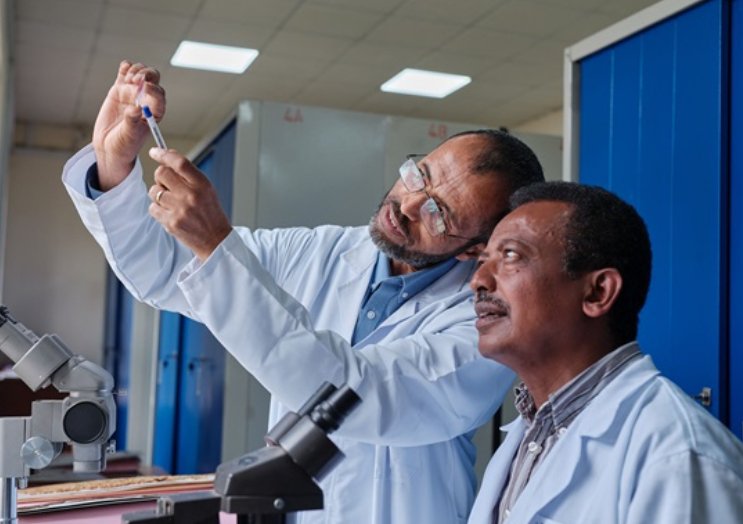
GENEVA, Switzerland – The World Health Organization has raised concern over the limited scientific research supporting traditional, complementary and integrative medicine, saying less than one per cent of global health research funding is devoted to understanding its safety and effectiveness.
WHO raised the concern on Thursday while launching its Global Research Priorities and Agenda for Traditional, Complementary and Integrative Medicine 2025–2034, a 10-year framework designed to guide research and investment in the sector.
The organisation said billions of people already use traditional medicine, often alongside conventional healthcare, but countries need stronger evidence to determine which treatments are safe, effective and appropriate.
“People are already using traditional medicine every day, often alongside conventional health services. The challenge is not whether traditional medicine exists within health systems. The challenge is whether countries have the evidence needed to determine where it is safe, effective and appropriate to improve health outcomes and expand access to care,” said Dr Shyama Kuruvilla, Director a.i. of the WHO Global Traditional Medicine Centre.
The research agenda identifies stroke, mental health, pain, musculoskeletal disorders, cancer, metabolic diseases and reproductive health as priority areas requiring stronger evidence.
It also highlights older people, children and preventive healthcare as areas requiring further research.
WHO said the research gap extends beyond funding, noting that researchers working in traditional medicine account for only 0.43 per cent of the global health research workforce.
The organisation said stronger evidence could help governments make better-informed decisions on regulation, insurance coverage, service delivery, patient safety and the integration of traditional medicine into health systems.
The agenda was developed using data from 39,927 research grants across 40 funding schemes, 116 research institutes in 67 countries, as well as consultations with experts and researchers globally.
About the Author

 Korede Abdullah